


The African Marine Environment Sustainability Initiative (AFMESI) has secured renewed commitments from government, academia, operators, and international partners to advance Environmental, Social, and Governance (ESG) integration across Africa’s maritime and blue economy sectors.
At its 5th Annual Symposium, held virtually on October 30, 2025, and themed “The Role of ESG in Maritime and the Blue Economy,” the initiative brought together policymakers, industry leaders, and development partners to explore how ESG frameworks can drive sustainable ocean governance and investment across the continent.
A key highlight of the symposium was the launch of Sustainable Ocean Resilience for African Communities (SORAC), an IOC-UNESCO-endorsed Ocean Decade Programme aligning AFMESI’s work with the United Nations Decade of Ocean Science for Sustainable Development (2021–2030).
The event also featured the unveiling of Blue Horizon, AFMESI’s flagship magazine aimed at deepening discourse on sustainability, innovation, and inclusive growth in the blue economy.
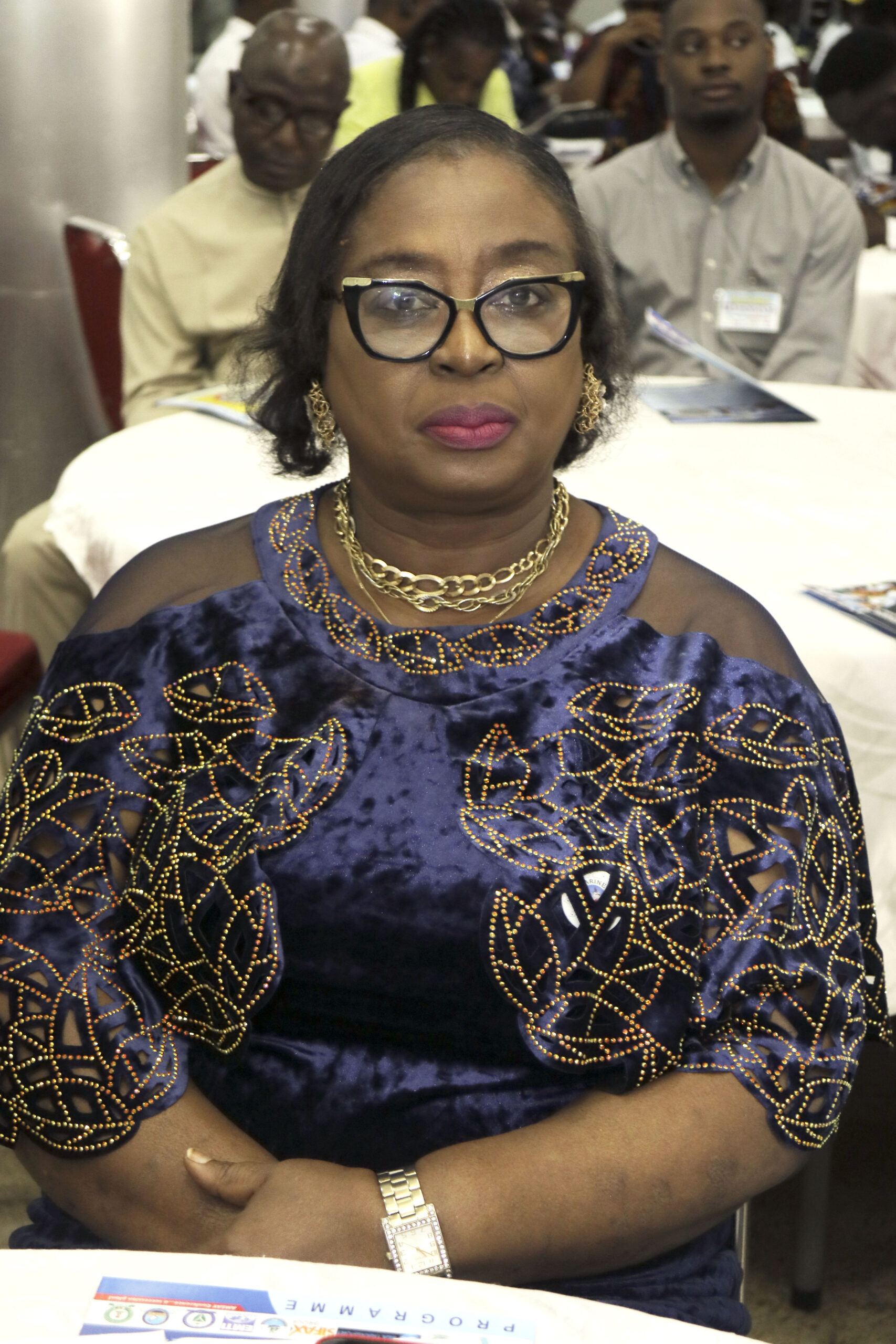
AFMESI’s President and Founder, Dr. (Mrs.) Felicia Chinwe Mogo, in her opening remarks, called for the development of a comprehensive ESG masterplan to guide Nigeria’s transition toward a sustainable marine and blue economy.
She equally urged the Federal Government and private sector players to institutionalize ESG frameworks as core instruments for governance, investment, and accountability.
“We must not only extract value from the oceans but ensure their sustainability. We must protect, regenerate, and sustain the environment we are tapping from,” the AFMESI President said.
Dr. Mogo, a former Director at the Nigerian Maritime Administration and Safety Agency (NIMASA) and a pioneer of Nigeria’s blue economy agenda, also emphasized the need to strengthen institutional capacity, promote transparency, and foster inclusive participation across the maritime value chain.
Delivering the keynote address, Prof. Lawrence Ezemonye, Vice Chancellor of Igbinedion University, Okada, proposed the creation of an ESG Fund and an ESG Audit System to track and assess both government and corporate performance in marine sustainability.
“Without measurable indicators and funding mechanisms, ESG will remain rhetoric rather than a transformative tool,” he stated.
Prof. Ezemonye, who also chairs the Committee of Vice Chancellors of Nigerian Universities, pledged to present the symposium’s resolutions to the academic community with a view to embedding ESG principles and blue economy studies into university curricula nationwide.
He also called for stronger monitoring systems, ESG-driven governance frameworks, and greater investment in data-driven blue innovation, artificial intelligence, and green technology.
The Minister of Marine and Blue Economy, Adegboyega Oyetola, CON, represented by his Special Adviser, Prof. Busayo Fakinlade, commended AFMESI for its consistent leadership in promoting sustainability. He requested AFMESI to institute a Technical Committee, in partnership with key regulatory agencies such as NIMASA, to lead Nigeria’s ESG integration agenda within the blue economy.
Prof. Fakinlede, who is also the Special Advisor to the President on Blue Economy, said the move reflects the government’s commitment to embedding ESG principles into national maritime policy and ensuring policy coherence in ocean resource management.
Also speaking, the Chairman of the occasion and Chairman of Sea Transport Group, Mr. Aminu Umar, said ESG principles must underpin Africa’s path to sustainable growth.
“Africa is burdened by pollution, climate change, and over-exploitation,” said Umar, who also serves as President of the Nigerian Chamber of Shipping (NCS).
“ESG isn’t just best practice, it’s our compass towards sustainable development,” the veteran ship owner remarked.
In his goodwill message, the Head of UNESCO’s IOCAFRICA, Dr. Ibukun Adewunmi, described the endorsement of SORAC as proof that African-led initiatives can drive global ocean sustainability.
“It will take collective effort and meaningful science that connects to the realities of fishermen and youths in riverine communities,” she added.
The symposium concluded with a shared resolve among stakeholders to deepen ESG adoption, strengthen collaboration across sectors, and position Africa as a leading voice in sustainable ocean governance.
With its IOC-UNESCO recognition, the launch of Blue Horizon, and the Ministry’s call for AFMESI to lead national ESG integration efforts, the 2025 symposium marked a defining moment for Africa’s transition from blue economy aspiration to implementation.
During the event African Development Bank (AfDB) also expressed interest in providing requisite funding for ESG projects in the blue economy.