


In its determined efforts to reduce boat mishaps on the Nigeria’s waterways to the bearest minimum, the Federal government is making plans to purchase modern boats and ferries that would be distributed to the riverine areas of the country.
The gesture is meant to replace the wooden and dilapidated boats and ferries that have been the major causes of mishaps on the Nigeria”s waterways.
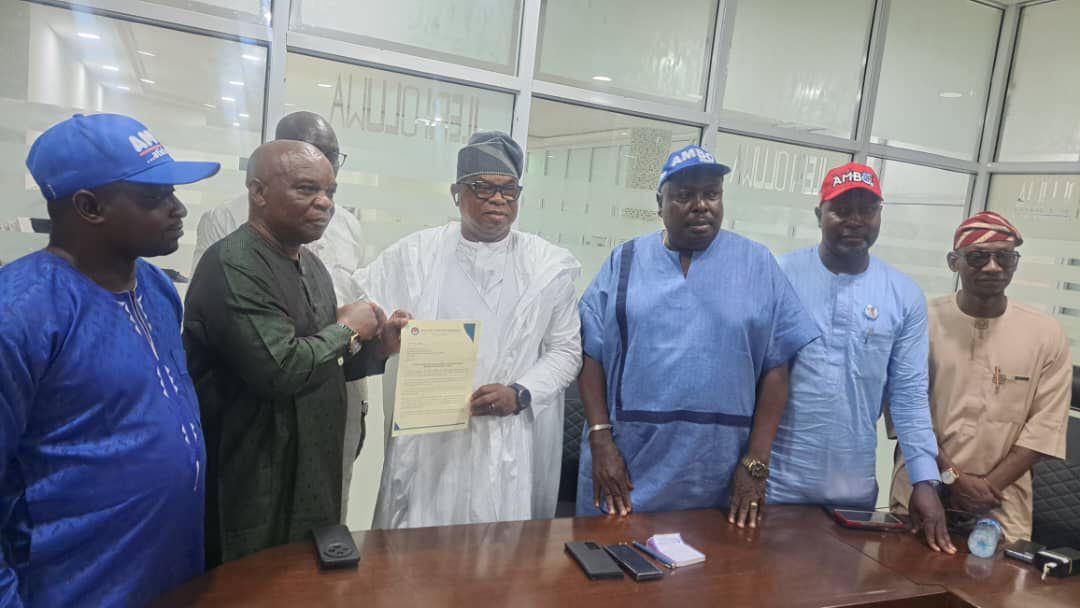
Making this disclosure on Thursday was the immediate past Managing Director of the Nigerian Inland Waterways Authority (NIWA) and the Governorship candidate of All Progressives Congress (APC) in Osun state, Asiwaju Bola Oyebamiji.
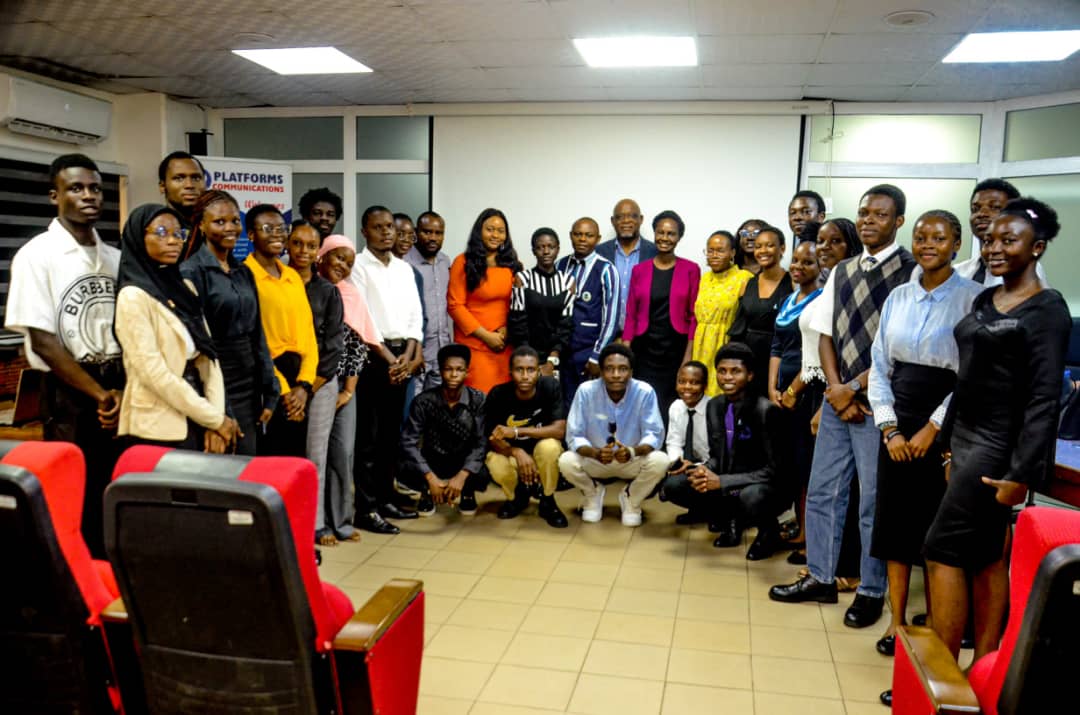
Oyebamiji, who was speaking to the coalition of maritime journalists in his campaign office at Ilerioluwa house, Oshogbo, disclosed that the acquired boats and ferries will arrive the country in “the next few months”.
According to him, the purchase was in response to his recommendations he made to the Minister of Marine and Blue Economy, Adegboyega Oyetola while he was the NIWA MD.
The APC governorship candidate in Osun state further disclosed that these modern boats and ferries, when they are delivered, will be distributed to the riverine state that are much exposed and affected by mishaps due to the use of wooden and dilapidated water crafts.
Some of the riverine states that are expected to benefit from these largesse include Niger, Kogi, Benue, Kwara, and Kebbi states.
Such states like Lagos, Rivers and Cross Rivers, according to Asiwaju Oyebamiji, may not be beneficiaries because “they have the capacity to invest in such modern boats and ferries”
“I presented a paper to the Federal government, to my Honorable Minister, and the Federal government paid about 14.6 billion to import very good, very big boats that can actually take agricultural products and people that are domesticated to our waters.
” I’m not talking of Lagos. Lagos has enough, and Lagos is capable of investing in ferry and boats that can give us a mileage and Rivers state can do that. Cross Rivers too can do that, but we are talking of Niger, Kogi, Benue, Kwara, and Kebbi.
“I’m sure in the next few months, those boats and ferries will be delivered, and that will reduce the boat mishaps drastically.” the former NIWA MD disclosed.
He noted that wooden and dilapidated boats and ferries account for about 20 – 25 percent of mishaps in the riverine areas while human elements account for about 70 percent of the water carnage.
While reminiscing on his days at NIWA, Oyebamiji said he met the agency in a state of comatose where the staff were ill-motivated, hungry and angry while boats mishaps were the order of the day.
“When I came into NIWA, I have never heard of NIWA in my life before I came into NIWA.
“When I came in, I looked at what is happening in NIWA. I looked at their profile.
“I see that, one, that agency is an agency that you can say that is moribund. They are not known as NPA and NIMASA.
“And one thing that is synonymous to NIWA then was boat mishaps” the former NIWA MD revealed.
He however said that after analyzing the problems of the agency through SWOT analysis method (Strength, Weakness, Opportunities and Threats), he went to the Minister of Marine and Blue Economy who gave his support and encouragement to do whatever he could to turn things around.
Oyebamiji said the first thing he did was to invest in the human elements in the agency through motivation of staff to lift their dampen spirit.

He said that it was the same staff who were there when NIWA was moribund and boat mishaps were the order of the day that also worked very hard to achieve a drastic turnaround of the agency through programmes and projects that eventually led to the reduction of mishaps on the nation’s waterways.
Oyebamiji was full of praise for the media who supported him in his campaign to reduce carnage on Nigeria’s waterways.
It could be recalled that the Minister of Marine and Blue Economy, Adegboyega Oyetola, has consistently emphasized the need for the riverine areas to drop the use of wooden and dilapidated boats while urging the state governments in these areas to invest in modern water crafts in order to minimize menace on the waterways.