


By Sylva OBASI
Expectations surrounding Nigeria’s long-awaited National Single Window (NSW) project have been tempered by a maritime policy expert who insists that technology alone cannot fix systemic inefficiencies at the nation’s ports.
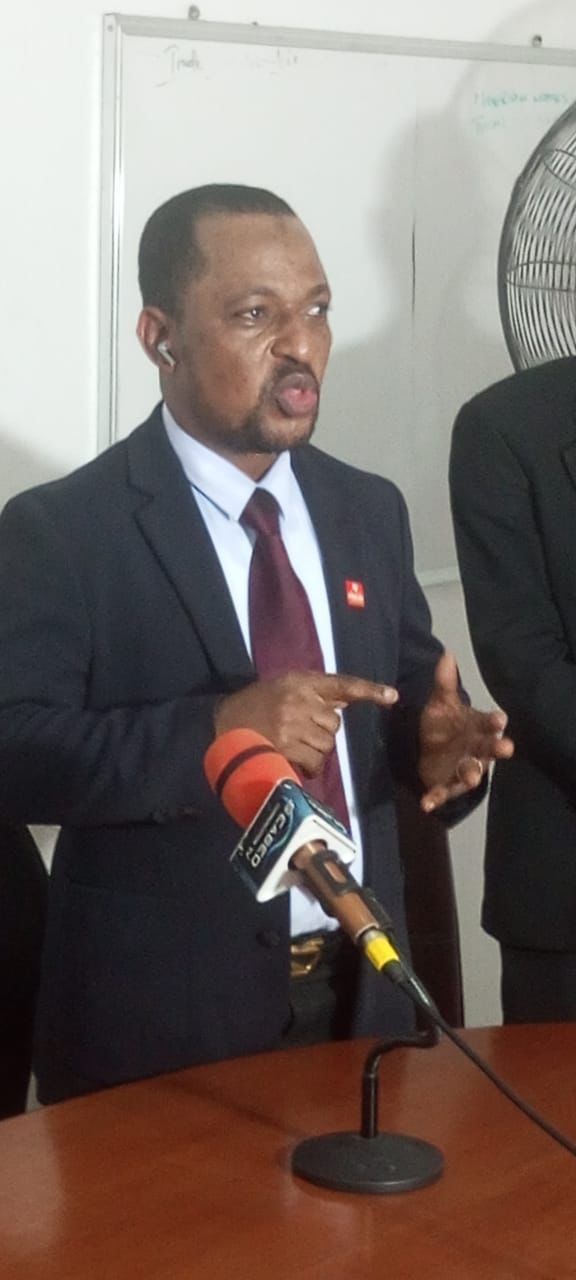
Speaking at a roundtable convened by the Maritime Reporters Association of Nigeria in Apapa, Lagos, Dr. Segun Alade Musa delivered a blunt assessment of the initiative’s prospects.
Musa, Chief Consultant at Global Transport Policy, described the NSW as “an ordinary shell to house agencies,” warning that without robust institutional reform and infrastructure upgrades, the platform may produce little more than cosmetic change.
He cautioned that Nigerians should not assume that merging agencies into a unified digital interface would automatically translate into faster cargo clearance or reduced bottlenecks.
According to him, the real challenge lies not in software integration but in the operational capacity of the agencies expected to function within the new framework.
“Bringing agencies together under NSW is not the solution,” Musa declared. “Interactions may be faster, but without the needed infrastructure, the effort will be frustrated.”
Drawing from history, the maritime expert recalled the 1997 transition by the Nigeria Customs Service from the Long Room system to the Customs Processing Centre (CPC), a reform that was initially hailed as revolutionary.
Despite the optimism that accompanied that shift, Musa noted that the anticipated transformation in cargo clearance processes did not fully materialise.
He argued that Nigeria risks repeating the same pattern if structural inefficiencies are not addressed before celebrating technological upgrades.
Turning specifically to Customs operations, Musa criticised the long-standing practice of assigning revenue targets to the Service. He described revenue-driven performance metrics as “a lazy way of running the economy,” insisting that the core mandate of Customs should be trade facilitation rather than aggressive revenue generation. Celebrating higher revenue collections, he added, may signal deeper distortions in the trade environment rather than economic progress.
While acknowledging recent automation efforts within Customs, Musa maintained that digitising licences alone would not be sufficient to drive comprehensive reform.
He advocated for full end-to-end automation, seamless inter-agency coordination, and a fundamental shift in institutional culture to ensure that the National Single Window achieves its intended impact.
Even as he commended the Comptroller-General for strides already made, Musa stressed that meaningful transformation will require more than ambition — it will demand infrastructure, accountability, and a clear commitment to prioritising trade efficiency over revenue optics.


