

By Sylva OBASI
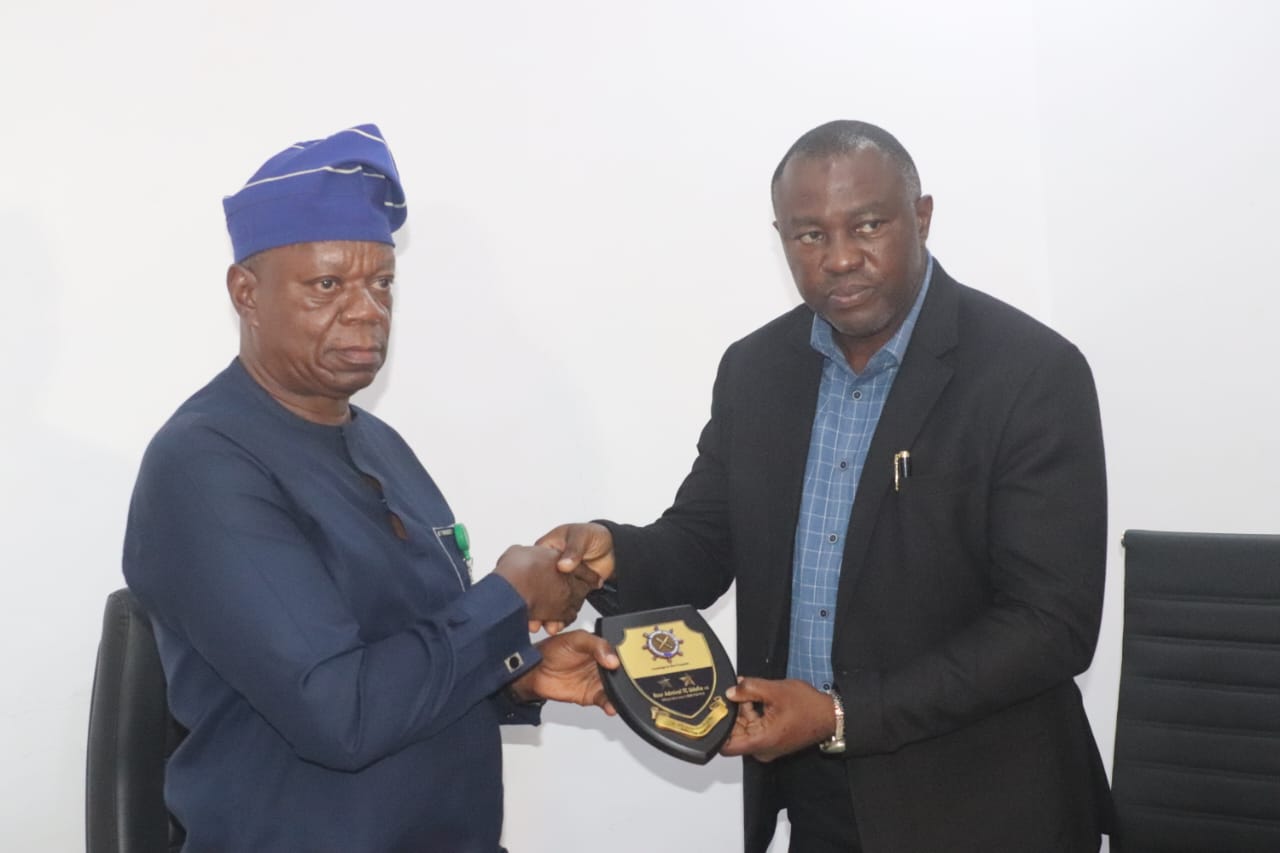
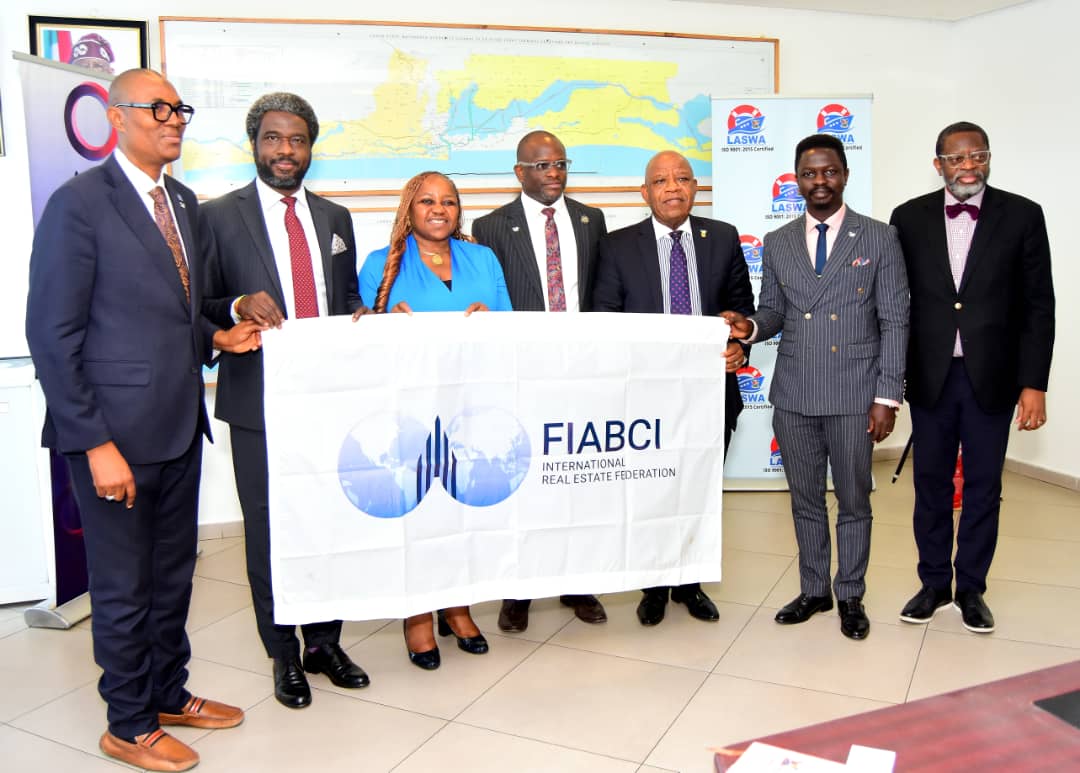
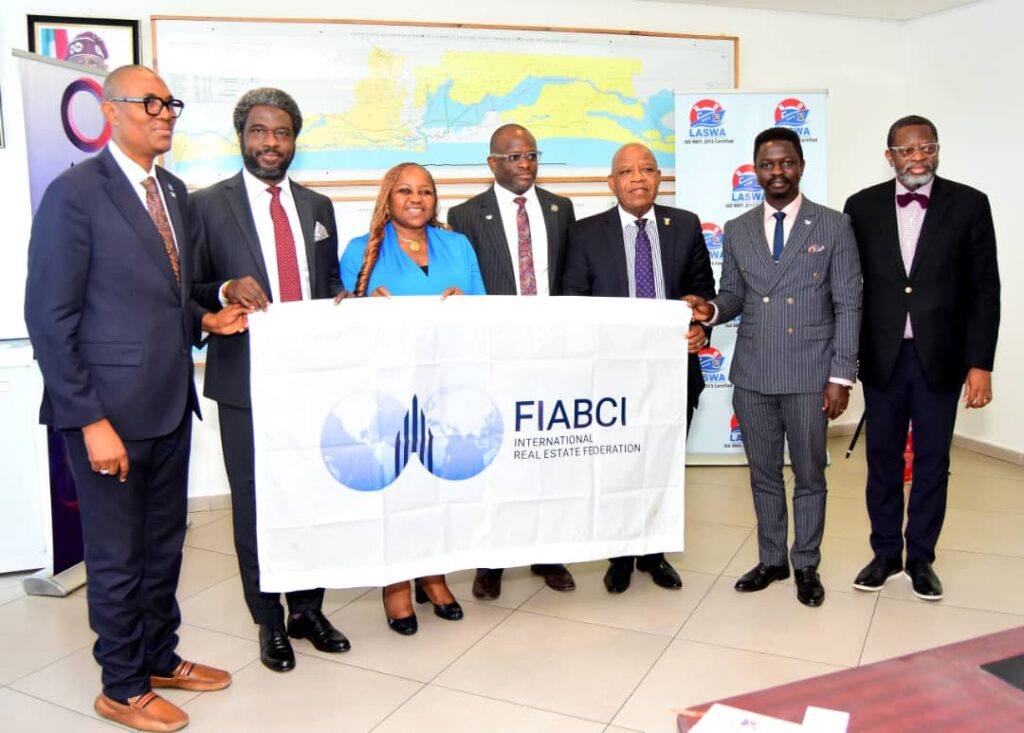
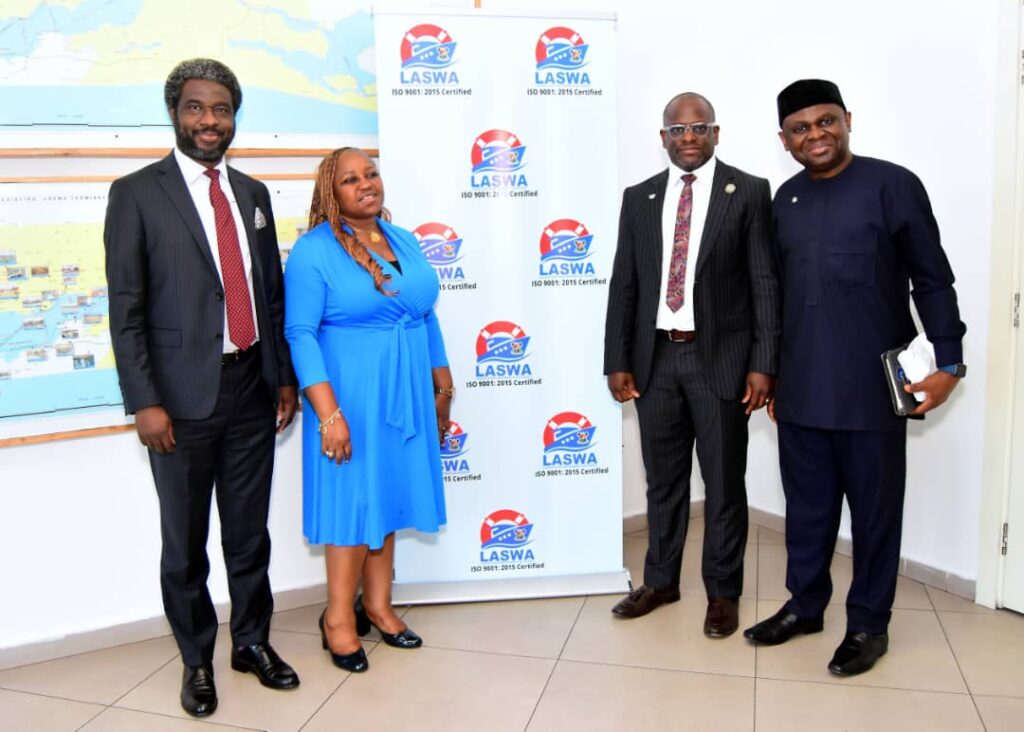
A high-level delegation from the International Real Estate Federation (FIABCI) paid a courtesy visit to the Lagos State Waterways Authority (LASWA) to explore areas of collaboration around Lagos State’s expanding water transportation system and its broader Blue Economy potential.
The delegation was led by Akin Opatola, FNIVS, President of FIABCI Nigeria, alongside Mr. Adeniji Adele, President of FIABCI Africa and the Near East, as well as senior officials and members of the international real estate federation.
PLATFORM REPORTERS gathered that the delegation was received by the leadership of the Lagos State Waterways Authority, headed by Mr. Emmanuel Oluwadamilola, General Manager, Lagos State Waterways Authority (LASWA) and Special Adviser on Blue Economy to the Governor of Lagos State.
Where discussions centered on Lagos State’s ambitious efforts to modernize its inland waterways transport system through the OMI EKO Water Transport Project.
During the engagement, the General Manager of LASWA delivered an extensive presentation outlining the strategic direction of the project and its role in transforming urban mobility across Lagos.
According to the LASWA General Manager, the initiative is designed to decongest Lagos roads, improve productivity, reduce transportation costs, and lower carbon emissions, while positioning water transportation as a central pillar of Lagos State’s urban mobility strategy.
The project will introduce modern ferry operations supported by electrified vessels, upgraded terminals, and integrated transport infrastructure, creating a cleaner and more efficient water transport ecosystem.
The OMI EKO project is supported by a strong international financing structure including:Agence Française de Développement (AFD) – €130 million loanEuropean Investment Bank (EIB) – €170 million loanEuropean Union – €60 million grantLagos State Government – €40 million counterpart fundingPrivate sector participation in Intelligent Transport Systems (ITS).
The project will deliver:15 ferry routes across Lagos waterwaysDredging and marking of approximately 140 kilometers of navigable channelsDevelopment of 25 modern ferry terminals and jettiesDeployment of electric ferriesIntegrated ticketing and improved waterway safety infrastructure.
Following the presentation, members of the visiting FIABCI delegation engaged the LASWA leadership in a round of questions and observations, seeking further clarification on the implementation framework of the OMI EKO project.
The questions and contributions were directed to Mr. Emmanuel Oluwadamilola, General Manager of the Lagos State Waterways Authority, who also serves as Special Adviser on Blue Economy to the Governor of Lagos State.
Members of the delegation sought insights into issues including terminal development opportunities, private sector participation, integration with urban planning, and the long-term investment potential of Lagos’ water transport corridors.
Mr. Oluwadamilola responded to the questions, further elaborating on the project’s structure and the strategic vision of Lagos State to position water transportation as a key pillar of the state’s evolving Blue Economy.
Speaking during the meeting, FIABCI Nigeria President, Akin Opatola, FNIVS, noted that the modernization of Lagos waterways presents a strategic opportunity to rethink how cities integrate transport infrastructure with real estate and urban development.
Opatola emphasized that major water transport infrastructure projects such as the OMI EKO initiative create new corridors of economic activity, particularly around ferry terminals and waterfront locations.
He stated that the real estate sector has a critical role to play in supporting such infrastructure through transport-oriented development, waterfront regeneration, and the creation of mixed-use economic hubs that can stimulate sustainable urban growth.
He further noted that FIABCI members, as professionals in the real estate and development ecosystem, are keen to explore ways in which urban planning, investment, and property development can align with Lagos State’s water transportation expansion.
Also speaking, Mr. Adeniji Adele, President of FIABCI Africa and the Near East, observed that Lagos is uniquely positioned to become a leading example in Africa of how coastal cities can leverage their waterways to drive mobility, economic development, and sustainable waterfront investment.
He noted that global cities that successfully integrate their waterways into urban life often unlock significant real estate and tourism value, and expressed optimism that Lagos could replicate similar outcomes as the OMI EKO project unfolds.
Speaking at the close of the discussions, Ubong Essien, Founder of the Blue Economy Academy, emphasized the importance of collaboration among government agencies, industry professionals, and investors in delivering large-scale maritime infrastructure initiatives.
Essien noted that Nigeria’s experience in strengthening maritime security in the Gulf of Guinea demonstrated that successful sector transformation often begins when all stakeholders are brought to the table at the earliest stages of major projects.
He also pointed out that the 25 ferry terminals planned under the OMI EKO project represent significant opportunities for transport-oriented waterfront development across Lagos, creating new intersections between mobility infrastructure, urban development, and the Blue Economy.
The visit underscores the growing recognition of Lagos waterways as a strategic mobility and economic infrastructure for Africa’s largest city.