



By Sylva OBASI
LAGOS – The Maritime Arbitrators Association of Nigeria (MAAN) is pushing for wider use of arbitration to resolve maritime disputes faster, saying prolonged disagreements are costing shipowners up to $50,000 daily and damaging Nigeria’s port competitiveness.
Speaking at an event held by MAAN in Lagos yesterday with the theme, _“Maritime Arbitration as a Driver for Port Economic Growth”, the Keynote Speaker, Dr. Vicky Haastrup, CEO of ENL Consortium, warned that vessel delays due to unresolved commercial issues impose huge hidden costs on the economy. Represented by MD, Mark Walsh, she cited a case where a vessel spent almost one year in Nigeria, with cargoes damaged after 6 months outside the port.

Haastrup said true port efficiency goes beyond cranes and access roads. It also depends on how quickly disputes are settled. She noted that delays lead to demurrage, cargo loss, and tied-up terminal space, which eventually raise insurance, financing costs and prices of goods. She also hinted that despite growth in terminal throughput since concession, Nigeria cannot compete globally if disputes keep tying down vessels.
Also speaking while making a presentation at the event, Former President of MAAN, Chief Gbola Akinola, SAN, said arbitration offers a faster alternative to court cases. He urged maritime companies to include arbitration clauses in contracts and praised the Arbitration and Mediation Act 2023 for introducing emergency arbitrators and third-party funding.
Earlier in her opening speech, the President of MAAN, Mrs Jean Chiazor-Anishere, SAN called for greater awareness of arbitration to build investors’ confidence in Nigerian maritime sector.

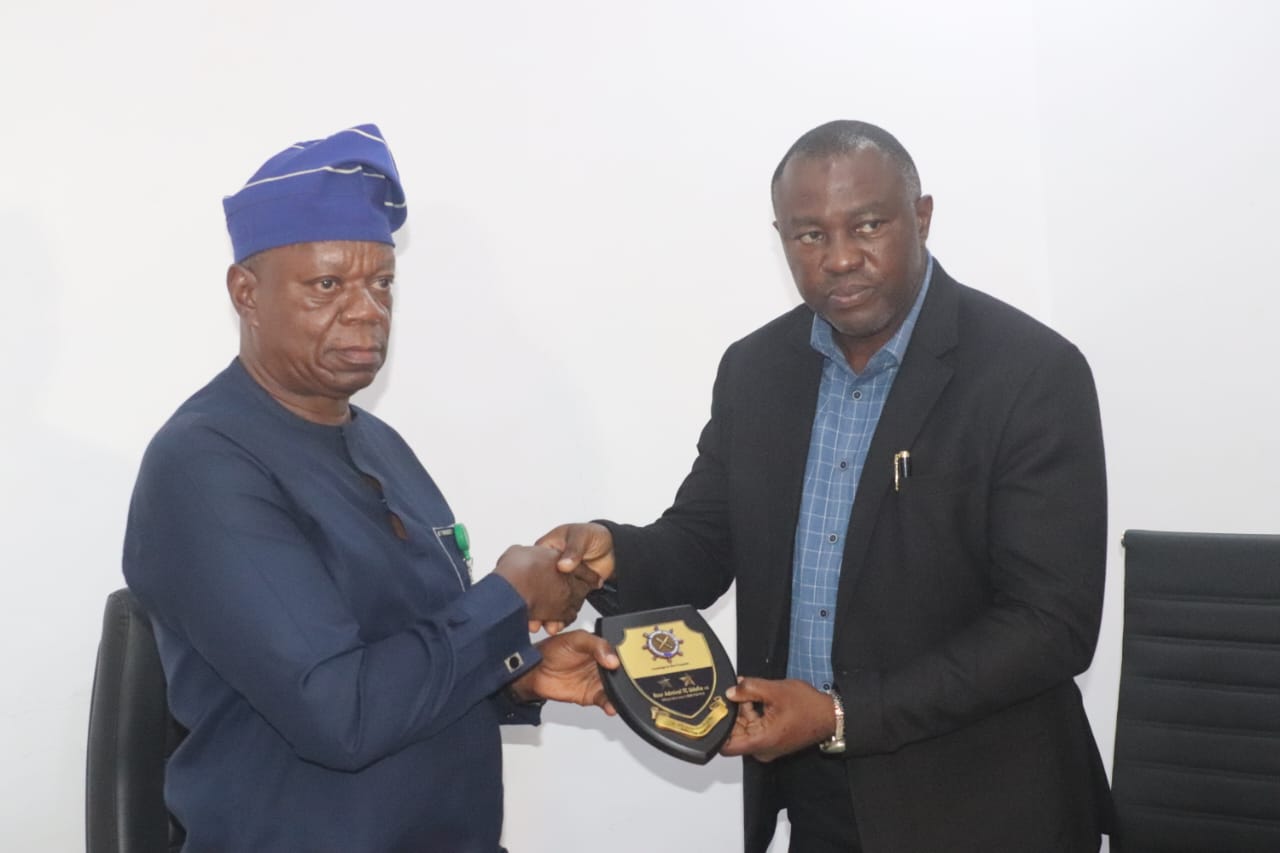
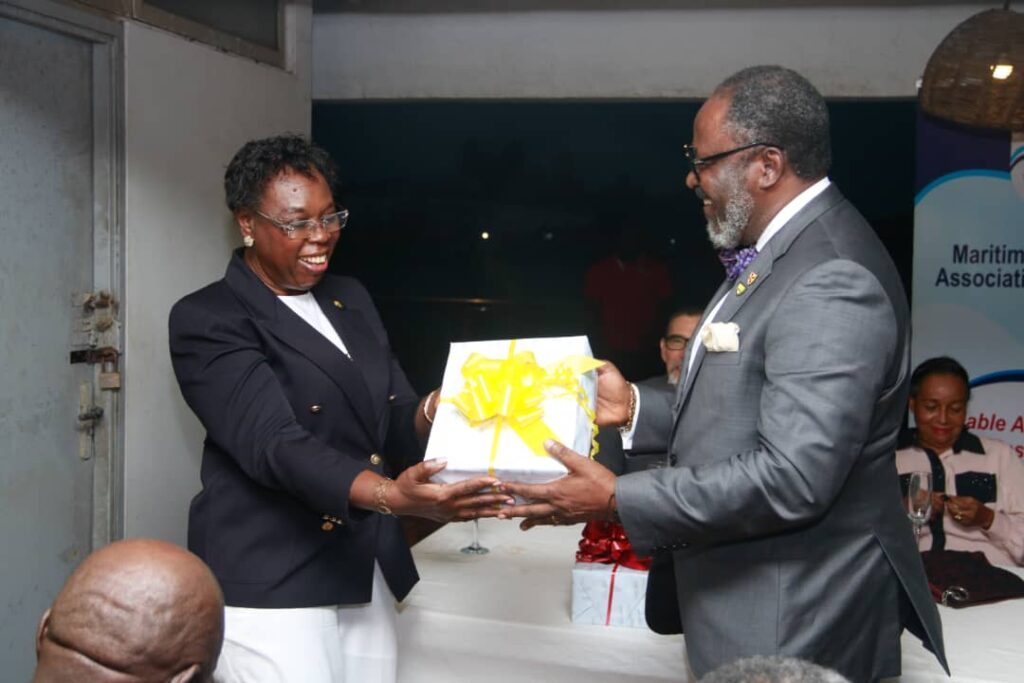
The event featured presentation of appreciation gifts to Mrs Adedoyin Rhodes-Vivour, SAN, Founding President of MAAN for her pioneering role in establishing the association, and to the Keynote Speaker, Olori Dr. Vicky Haastrup for her contributions to the discourse.
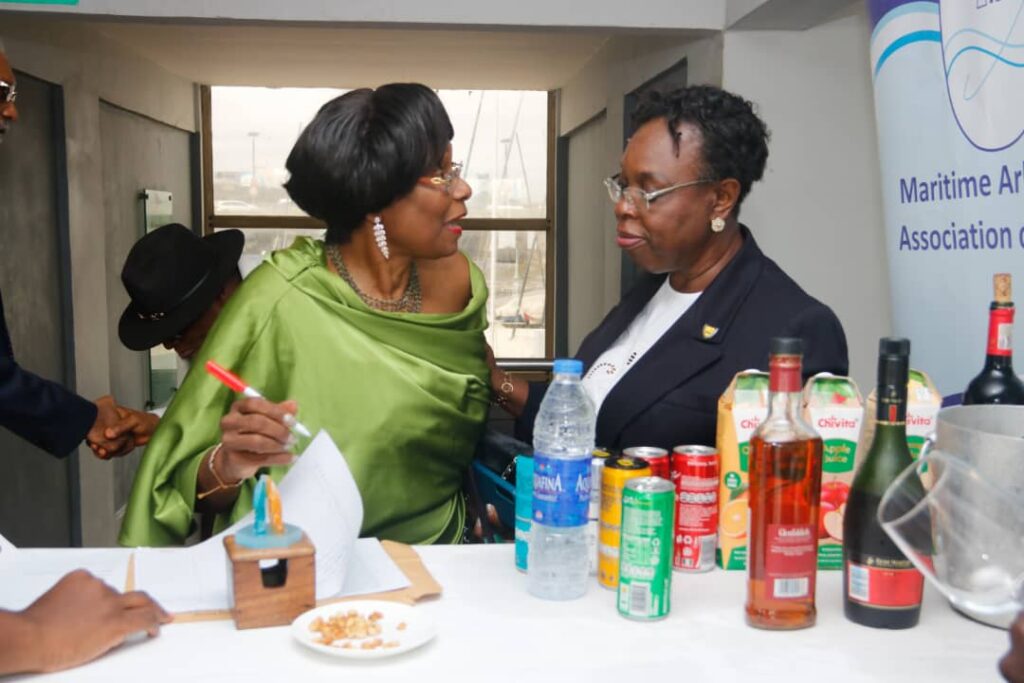
As the event drew to a close, stakeholders agreed that arbitration must be treated as essential infrastructure to drive trade, attract investment and grow Nigerian economy through port competitiveness.