

By Sylva OBASI
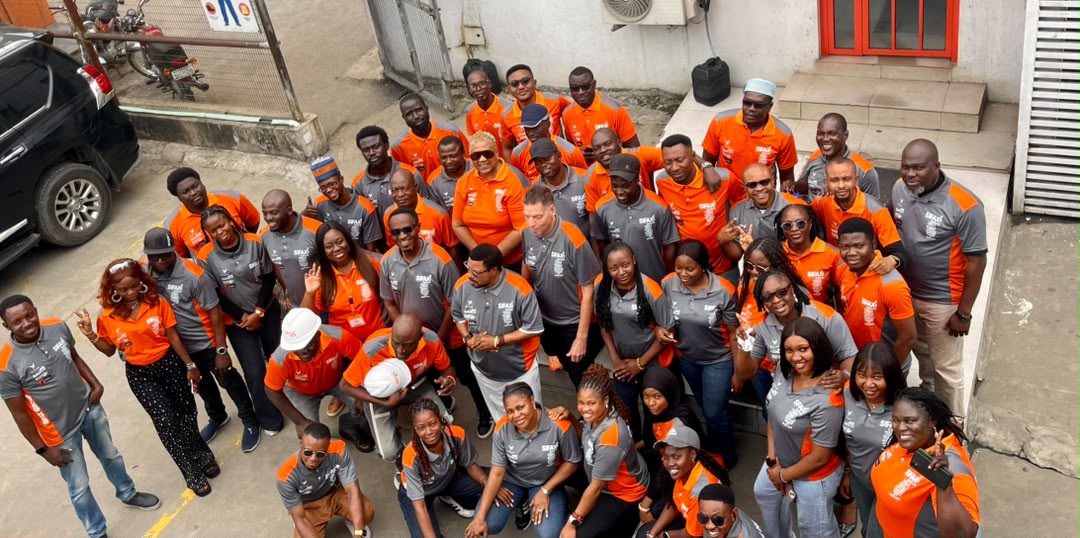
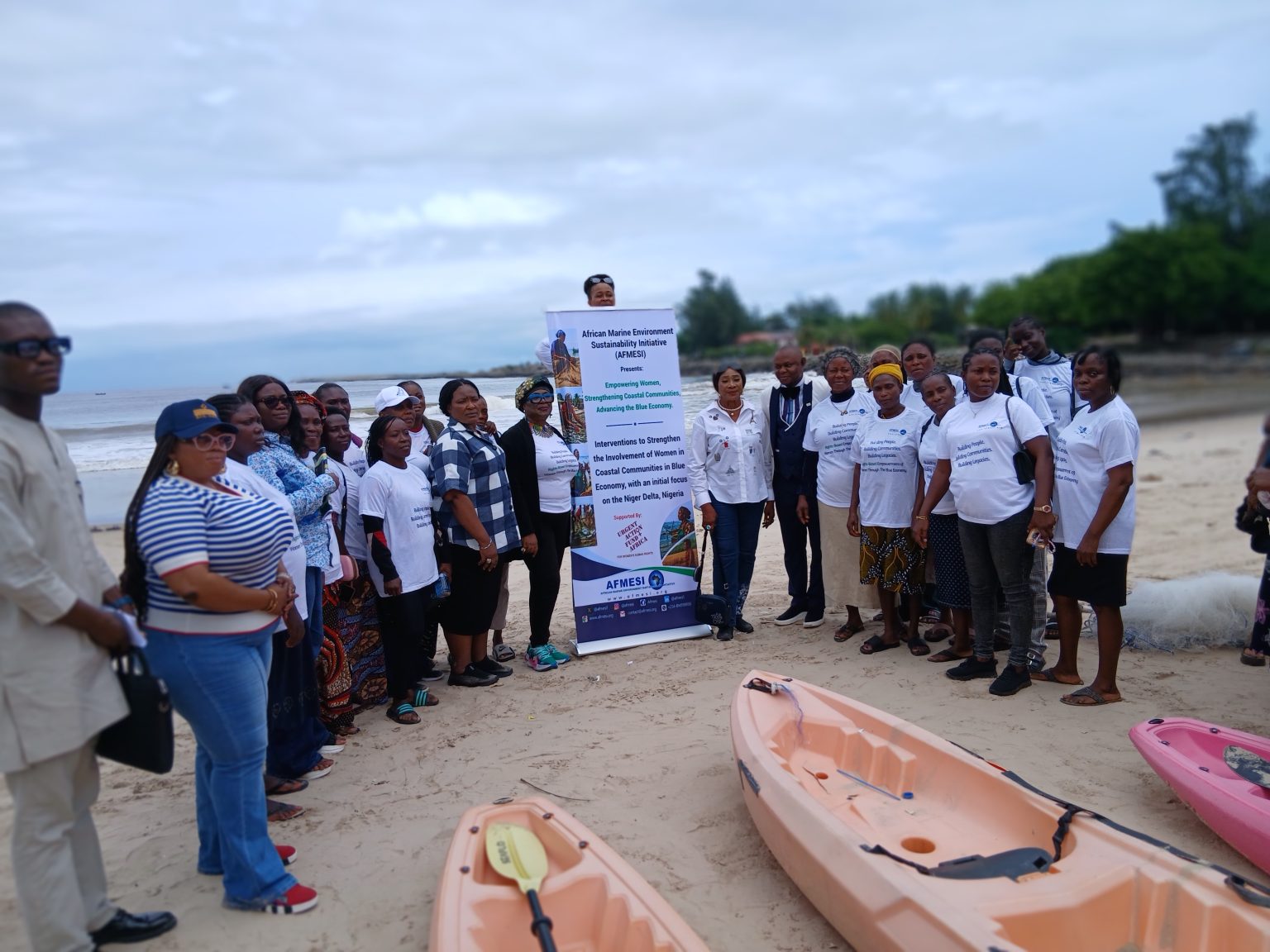
In continuation of it’s nation-wide coastal community women empowerment program in Nigeria, the African Marine Environment Sustainability Initiative (AFMESI) has taken the program to Tarkwa Bay, a notable coastal community in Lagos state, South West, Nigeria.
PLATFORM REPORTERS who covered the event gathered that the empowerment program held Wednesday in Lagos reinforces AFMESI’s commitment to promoting inclusive participation in Nigeria’s blue economy by empowering women in coastal communities with practical knowledge, leadership skills and sustainable livelihood opportunities
This is even as women in Nigeria’s coastal communities have been challenged to take centre stage in unlocking the vast opportunities within the nation’s blue economy as a pathway to economic empowerment, environmental sustainability and community transformation.
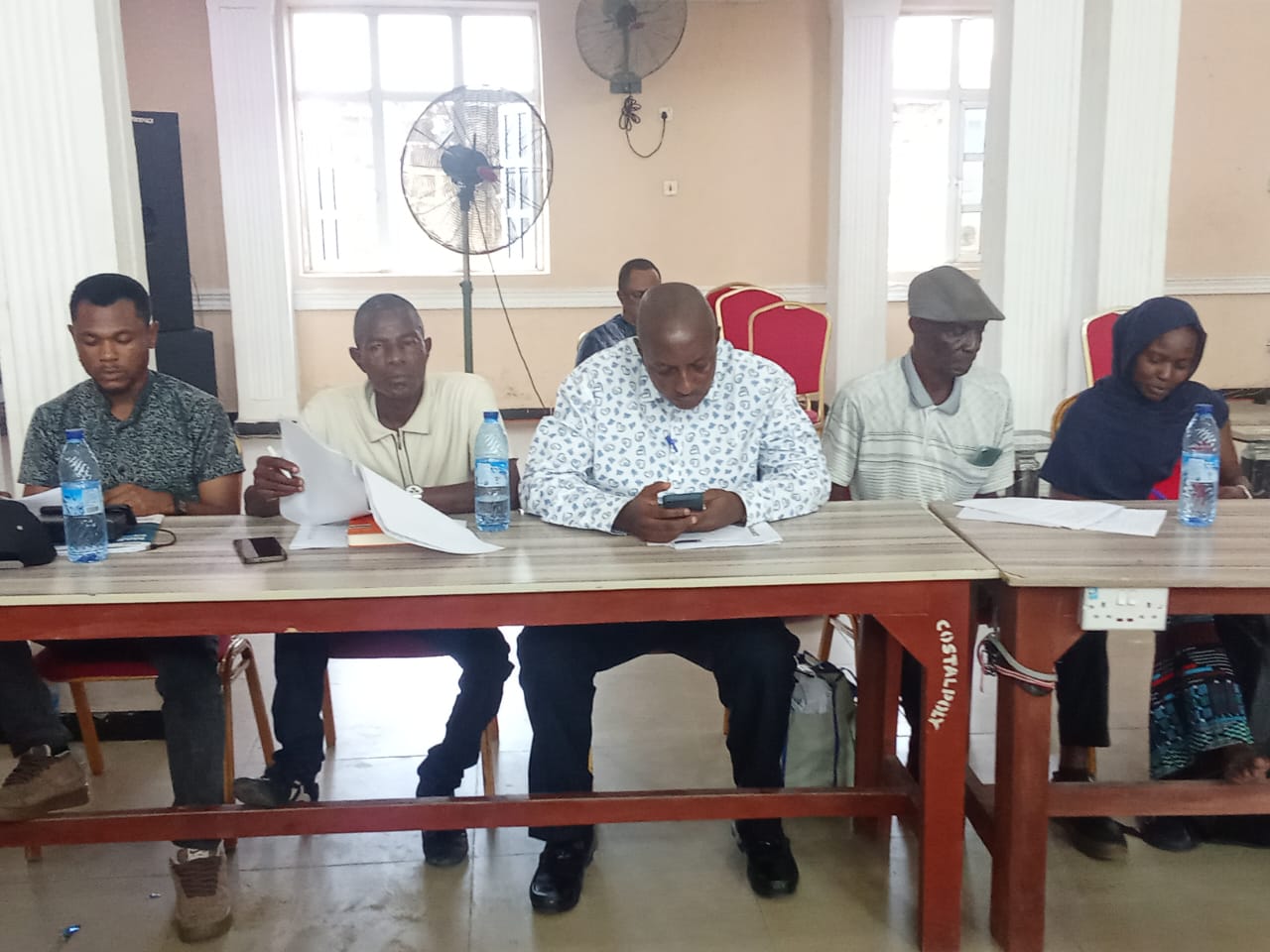
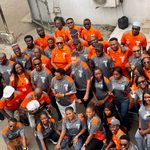
The coastal community-focused programme with the theme “Empowering Women Through the Blue Economy: Leadership, Sustainability and Economic Inclusion,” brought together women from Tarkwa Bay and neighbouring coastal communities alongside government representatives, maritime professionals, environmental experts and development partners to explore practical ways of transforming marine resources into sustainable economic opportunities.
Addressing participants while delivering her welcome address, AFMESI President, Dr. Mrs Felicia Mogo, thanked the project partners and supporters including Urgent Action Funds Africa for Women’s Human Rights whose generous support she said made the program a reality.
She described the gathering as a reflection of what can be achieved when institutions, professionals, communities, and partners come together with a shared vision of sustainable development and inclusive economic growth.

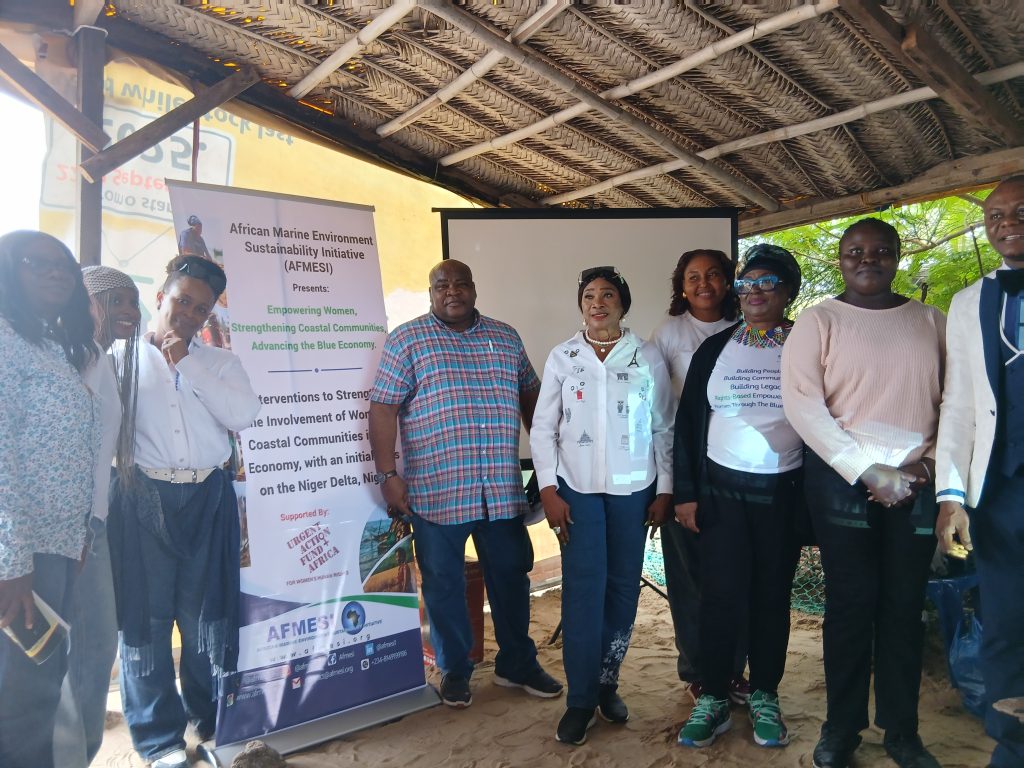
Speaking further, she revealed that the programme was designed not only to inspire participants but also to equip them with practical skills in sustainable fisheries, aquaculture, marine conservation, coastal entrepreneurship, environmental stewardship and other emerging opportunities within the blue economy.
According to her, “The Blue Economy is more than a government policy. It is a development pathway that recognizes that our oceans, rivers, wetlands, and coastal ecosystems can provide sustainable livelihoods while remaining healthy for future generations.
“For our coastal communities, this presents enormous opportunities. Women have always played essential roles in fisheries, seafood processing, coastal trade, environmental management, and family welfare. Yet many have not had sufficient access to the information, skills, and opportunities needed to benefit fully from the evolving Blue Economy.
“This programme seeks to bridge that gap by equipping our women with practical knowledge, increasing awareness of sustainable practices, encouraging environmental stewardship, and opening doors to new economic opportunities that improve livelihoods while protecting our marine ecosystems”, she posited.
Adding that the organisation’s baseline assessment form for coastal women vulnerability aims to establish informed baseline data to enable sustainable inclusion and targeted support for women based on the national policy of Nigerian Marine and Blue Economy.
Also speaking, the representative of the Controller, Federal Ministry of Environment, Mrs. Ola Benpe Adelaike, commended AFMESI for complementing government efforts through grassroots environmental education and community-based empowerment programmes.
She said the programme initiative fully aligned with its mandate of promoting environmental sustainability while improving the wellbeing of vulnerable coastal communities.
Speaking on behalf of community leader, Hon. Shina James, Mr. Ayodeji acknowledged the organisation’s longstanding contributions through environmental sanitation campaigns, youth engagement initiatives, waste management projects and women empowerment programmes.
He described AFMESI as a dependable development partner whose interventions have continued to improve livelihoods within Lagos’ coastal communities and appealed for sustained support.
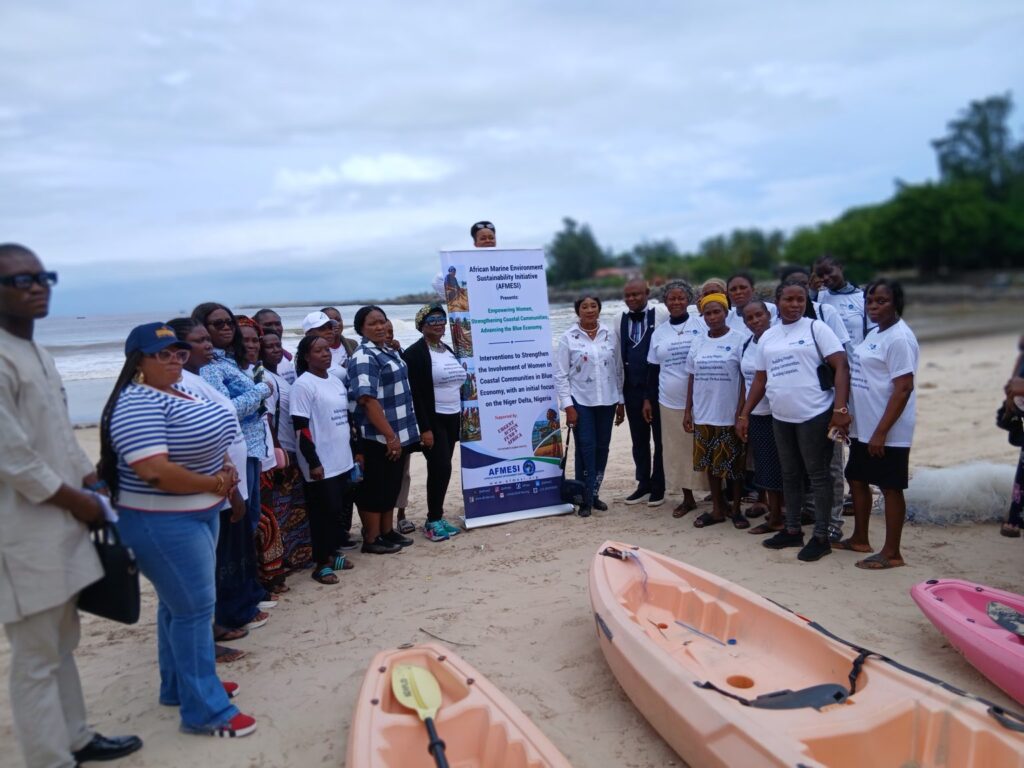
On her own, the President of Women in Maritime Africa (WIMA) Nigerian Chapter, Mrs. Theodora Nwaeze said the programme touched her personally as she recalled her upbringing in a riverine community in Bayelsa State where she said many women lacked access to educational and economic opportunities.
She maintained that empowering women with practical skills in fisheries, environmental management and blue economy entrepreneurship would transform coastal communities and improve household incomes.
“If our mothers had access to this kind of empowerment years ago, many of our communities would have developed much faster. What AFMESI is doing today will positively change lives and future generations,” she said.
Nwaeze encouraged participants to maximise the opportunity, stressing that women are not merely beneficiaries of the blue economy but leaders, innovators and entrepreneurs capable of driving sustainable development.
Also speaking, the Chief Executive Officer of Pan African Vision for the Environment (PAVE), Mr. Anthony Akpan, urged participants to openly discuss the practical challenges confronting their businesses, including access to finance, obsolete fishing equipment, environmental pollution and inadequate infrastructure.
He also drew attention to the growing environmental threat posed by abandoned fishing nets, popularly known as “ghost gear,” explaining that they continue to destroy marine ecosystems long after they are discarded.
Akpan encouraged communities to embrace recycling and innovative waste management practices while taking advantage of opportunities that promote sustainable livelihoods.
Similarly, the Managing Director of Blue Depth Solutions Limited, Chief Mrs. Carol Ufere, applauded AFMESI for intentionally placing women at the heart of blue economy development.
She noted that women play indispensable roles in fisheries, aquaculture, marine tourism, conservation and coastal trade, yet remain underrepresented in leadership and economic decision-making.
According to her, investing in women’s education, entrepreneurship, technology and leadership remains one of the most effective ways to unlock Africa’s blue economy potential.
Meanwhile, Environmental expert, Deborah Ibekwe introduced participants to the fundamentals of the blue economy, explaining that Nigeria’s rivers, lakes, oceans and coastal ecosystems represent enormous economic assets capable of improving livelihoods if sustainably managed.
She identified oil pollution, climate change, environmental degradation and inadequate capacity building as major threats facing coastal communities, particularly in the Niger Delta, and urged participants to adopt environmentally responsible practices while exploring opportunities across the blue economy value chain.
Technical presentations were equally made by AFMESI Ambassadors as participants were enlightened on the blue economy, climate change, ecosystem protection, leadership, health, productivity, sustainable fishing practices, cooperative development and alternative livelihoods as other facilitators highlighted the importance of leadership development, good health, cooperative societies, sustainable fishing methods and alternative income sources as essential tools for building resilient coastal communities.
The programme ended with renewed calls for stronger collaboration among government agencies, development organisations, private sector operators and community leaders to ensure women become active participants and beneficiaries of Nigeria’s expanding blue economy.
For many participants, the initiative represented more than a training workshop. It offered renewed hope that the country’s vast marine resources can become powerful instruments for economic inclusion, environmental protection and sustainable prosperity for coastal communities.
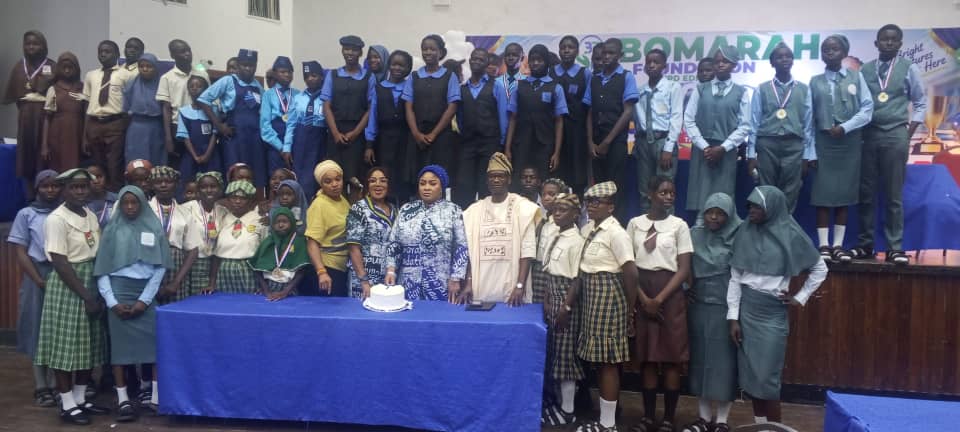
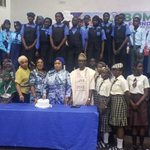
Meanwhile highlight of the event was presentation of Maritime Youth Empowerment Award by Platforms Communications to the President of AFMESI, Dr Mrs Felicia Chinwe Mogo in recognition of her contributions to Career Advancement of Nigerian maritime students and young marine professionals.