

By Platform Reporters
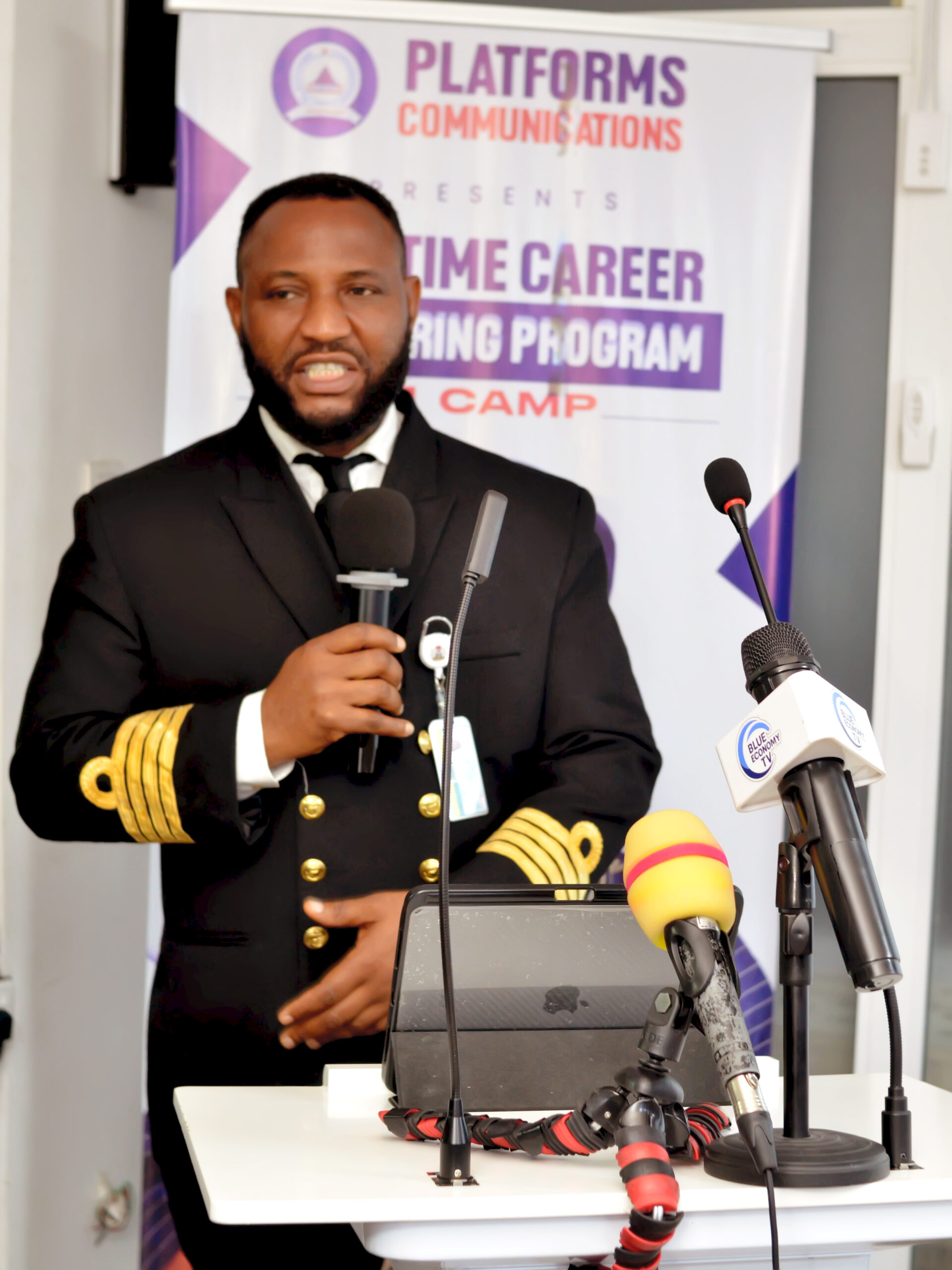
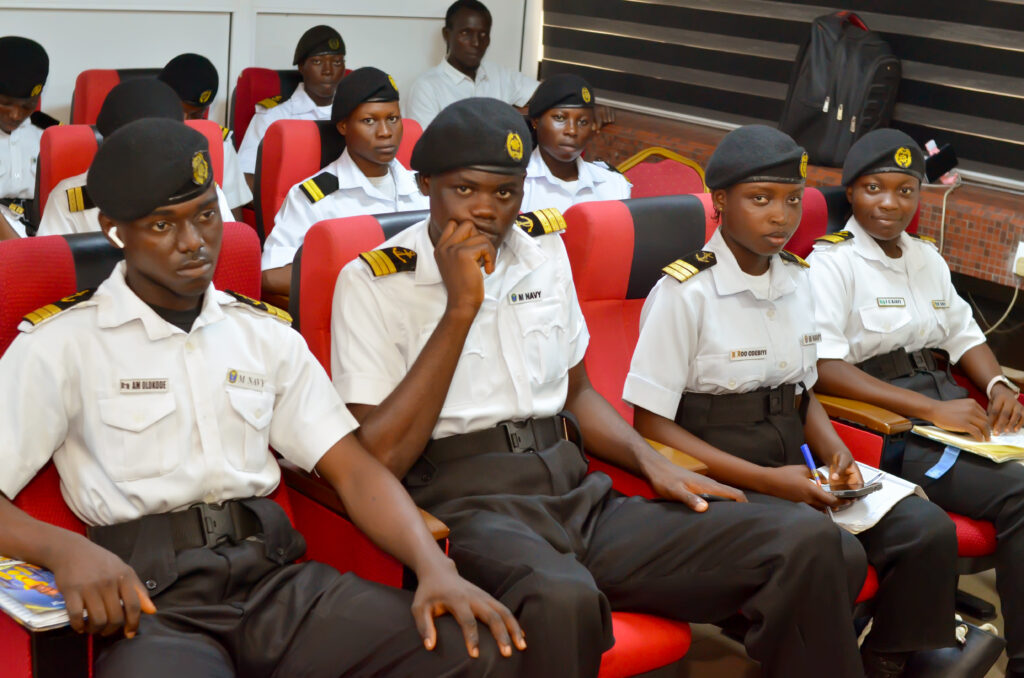
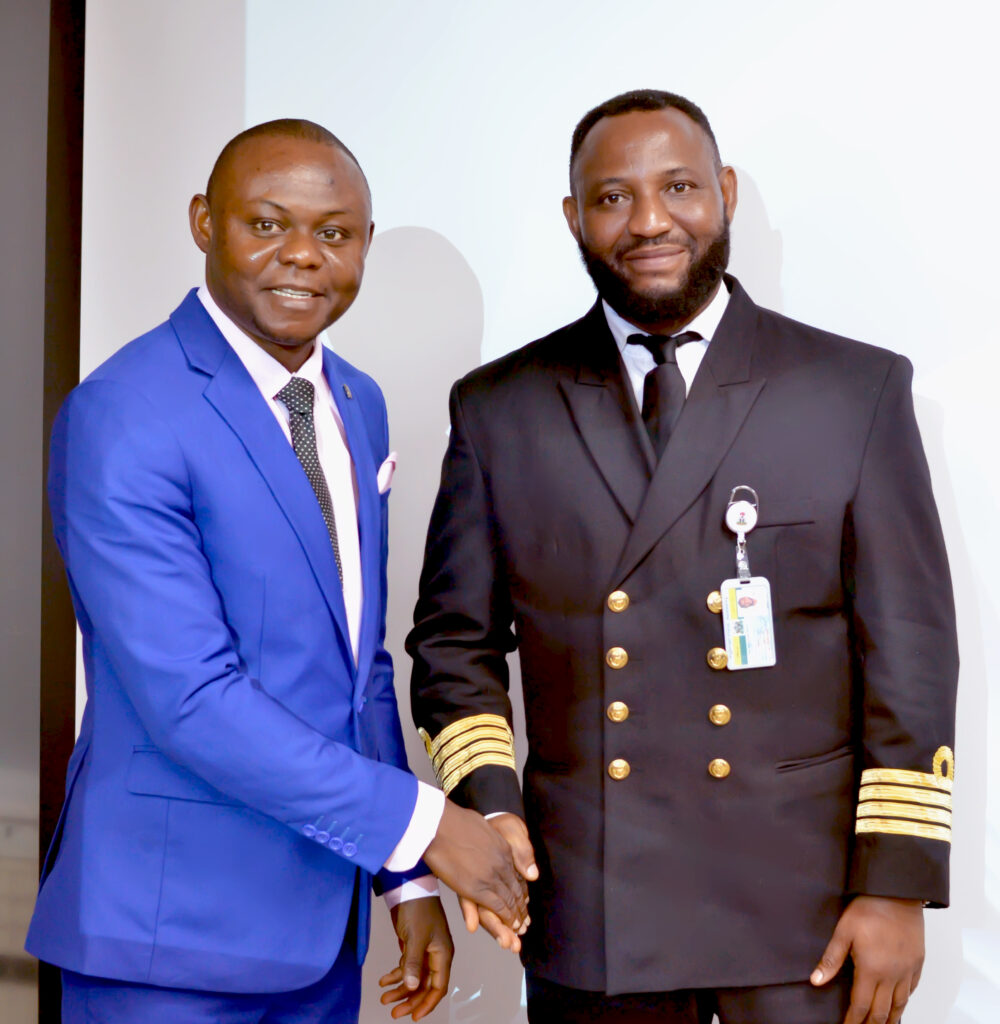
LAGOS – The Harbour Master, Lagos Pilotage District, Capt. Marvin Omovbude, representing the Port Manager, Lagos Port Complex, Mr. Adebowale Lawal, has provided maritime commercial students with a practical guide to understanding ports and terminal management in Nigeria.
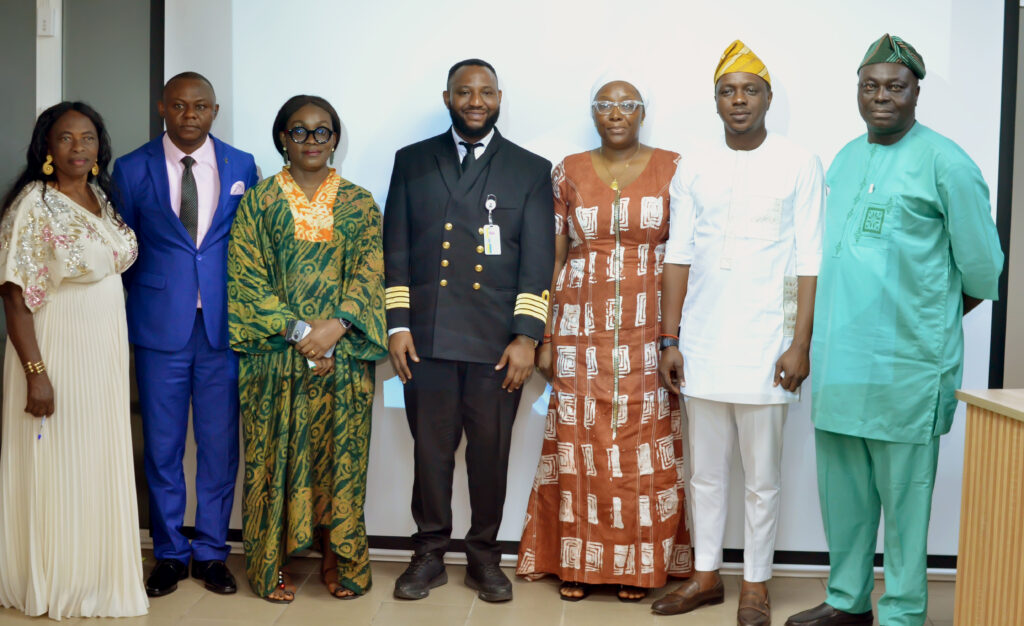
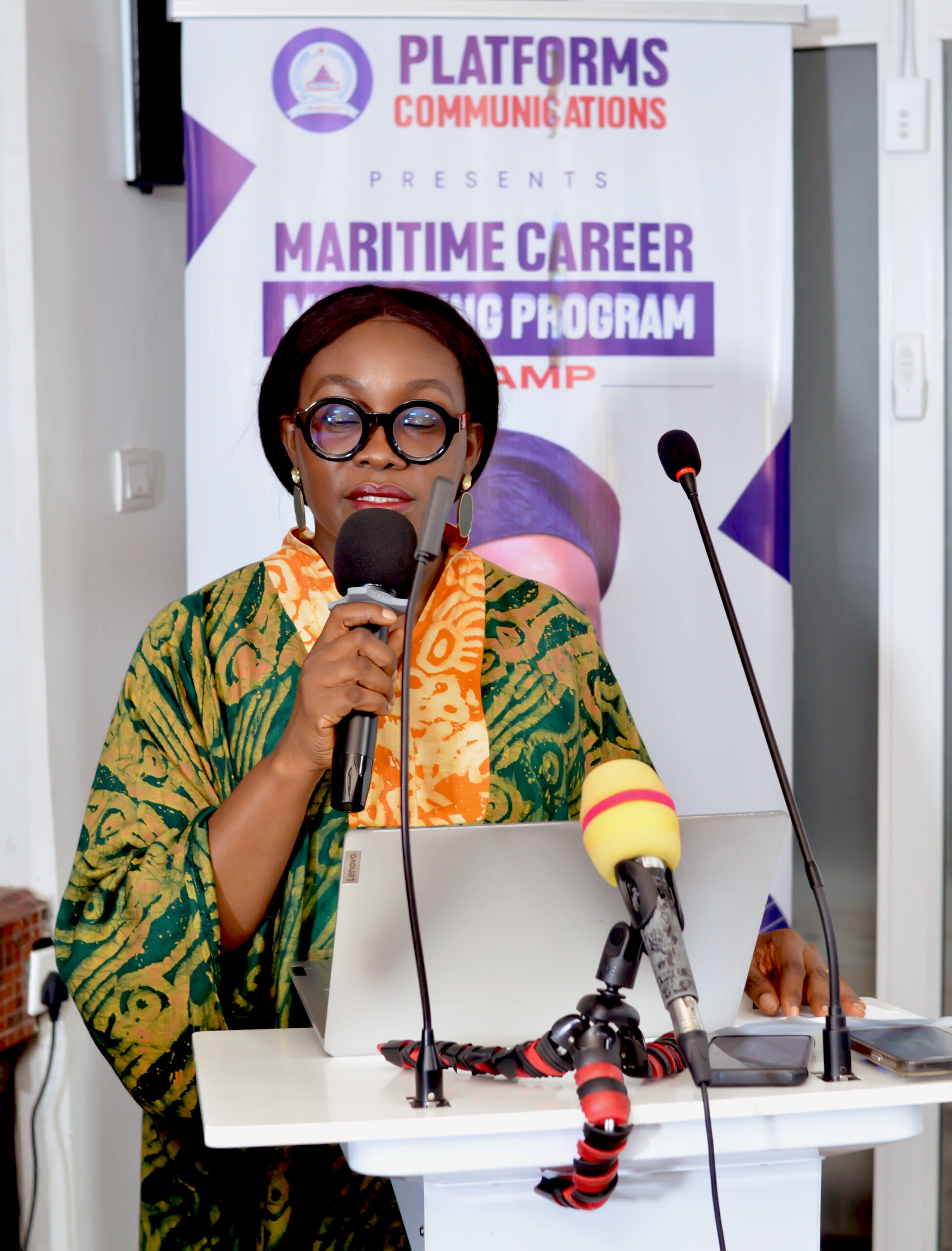
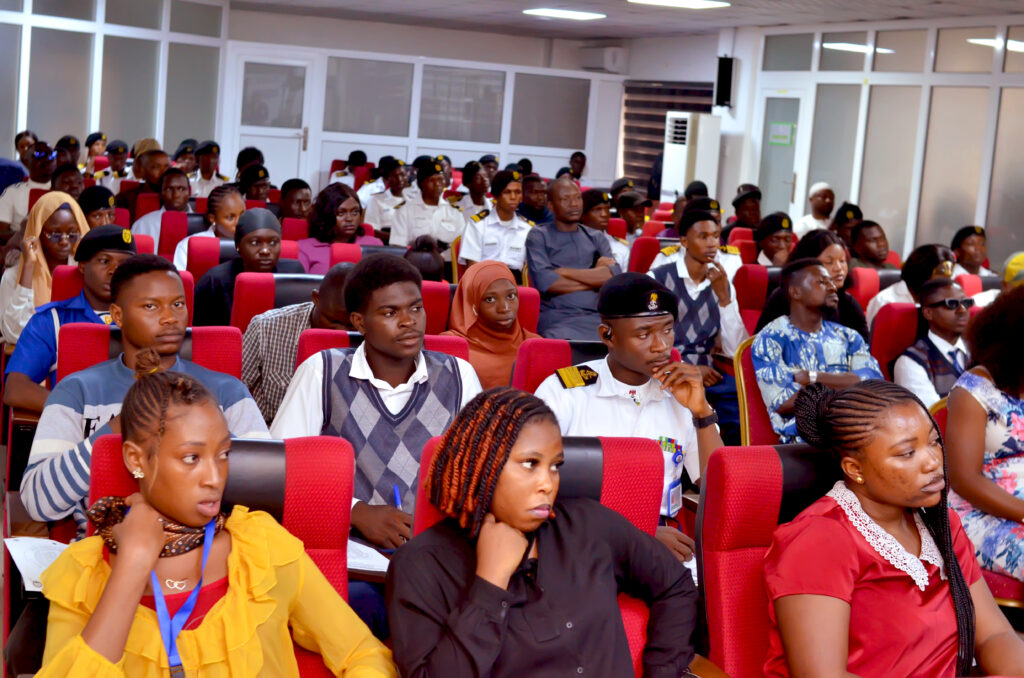
Speaking at the 15th Maritime Career Mentorship Programme (M-CAMP) organised recently by Platforms Communications with theme “Understanding Ports & Terminal Management: Systems & Operations in Nigeria,” Omovbude said ports are vital gateways connecting Nigeria to global economy, noting that port efficiency directly affects trade costs, revenue, industrial supply and competitiveness.
“A port is therefore an interconnected system – not simply a place where ships berth,” he explained, clarifying that while the port provides the macro environment with channels, berths and anchorage, the terminal is a micro-operation within it handling specific cargo types.
He outlined the 8-stage vessel journey lifecycle every ship undergoes: Pre-arrival (planning & notice), Arrival (vessel entry), Pilotage (berthing process), Operations (loading/discharge), Storage (yard management), Clearance (release & customs), Evacuation (truck/barge move), and Departure (sailing out) – stressing every stage must work seamlessly.
Platform Reporters learnt that on operations, Omovbude said a Terminal Management System is a coordinated system of People, Processes, Technology, Equipment, Space and Information that plans vessels, allocates berths, manages yards, controls gates and tracks cargo.
He warned that poor yard or gate management creates congestion and long truck turnaround, stating “Cargo evacuation is as important as cargo discharge.”
On performance measurement, he listed six KPIs: Vessel Turnaround Time, Berth Occupancy, Cargo Dwell Time, Crane Moves per Hour, Yard Utilisation and Truck Turnaround Time.
On digitalisation, he cited Electronic documentation, Advanced Terminal Operating Systems (TOS), e-cargo release, truck appointment systems and smart-port technologies, concluding that “Future Maritime Professional = Maritime Knowledge + Digital Competence.”
Career pathways highlighted include Shipping Management, Transport & Logistics, Freight Forwarding, Ports & Terminal Management, Maritime Administration, and Maritime Economics/SCM, requiring Technical, Digital, Communication, Problem-solving and Character skills.