




By Platform Reporters | Lagos
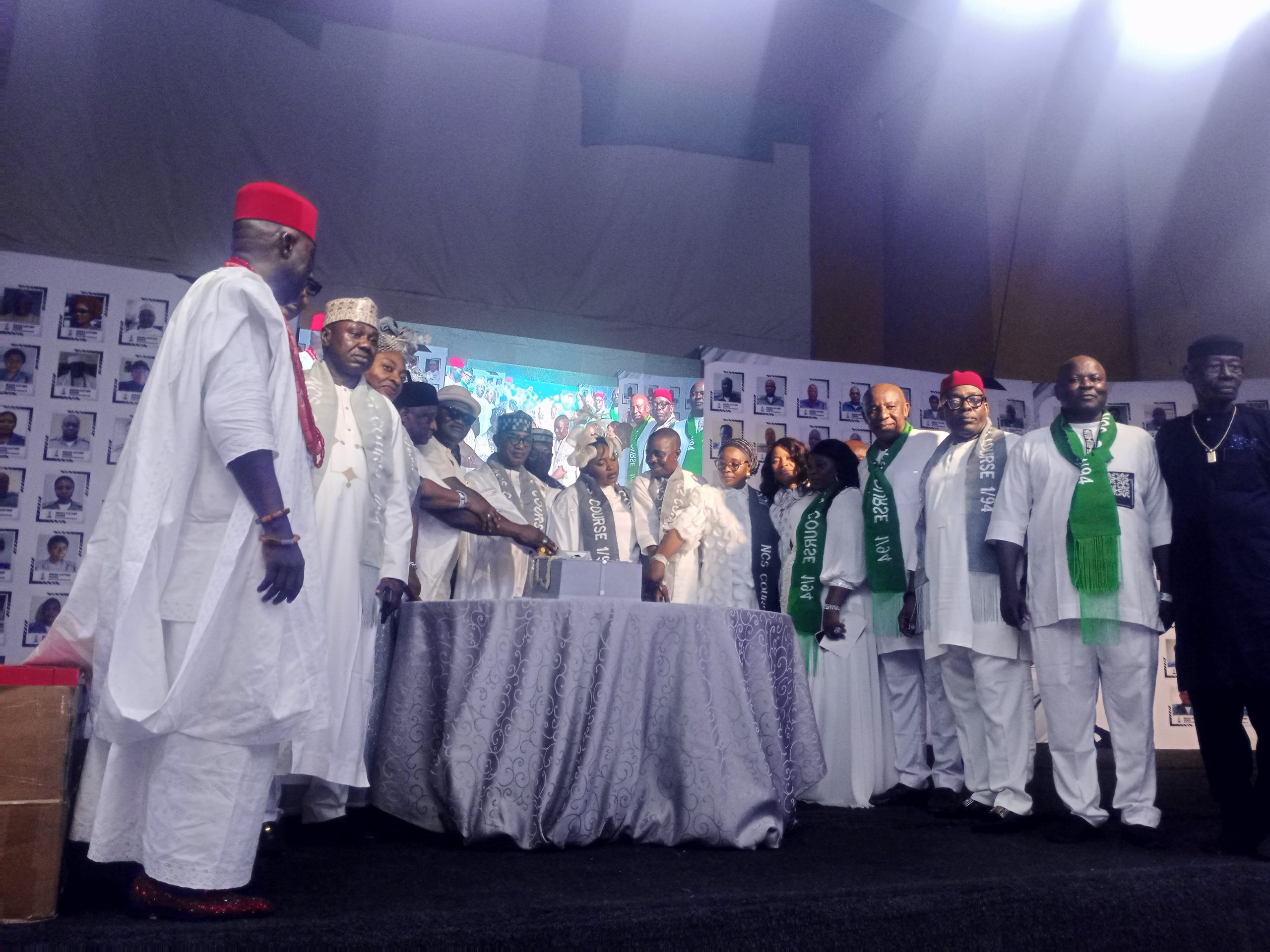
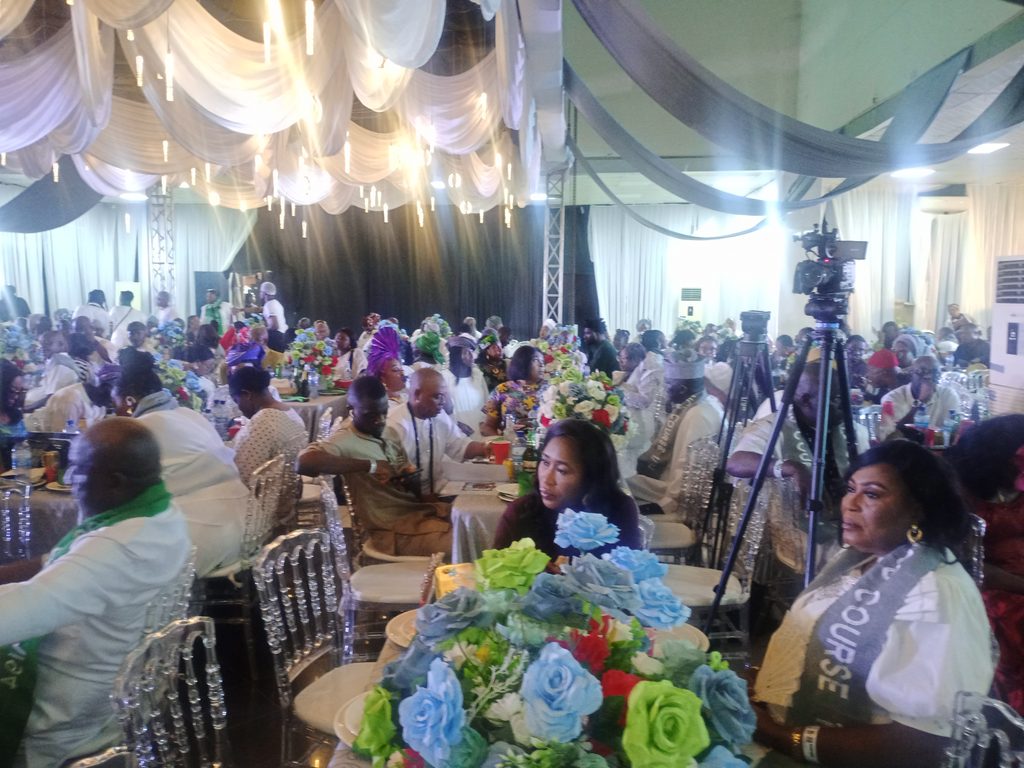
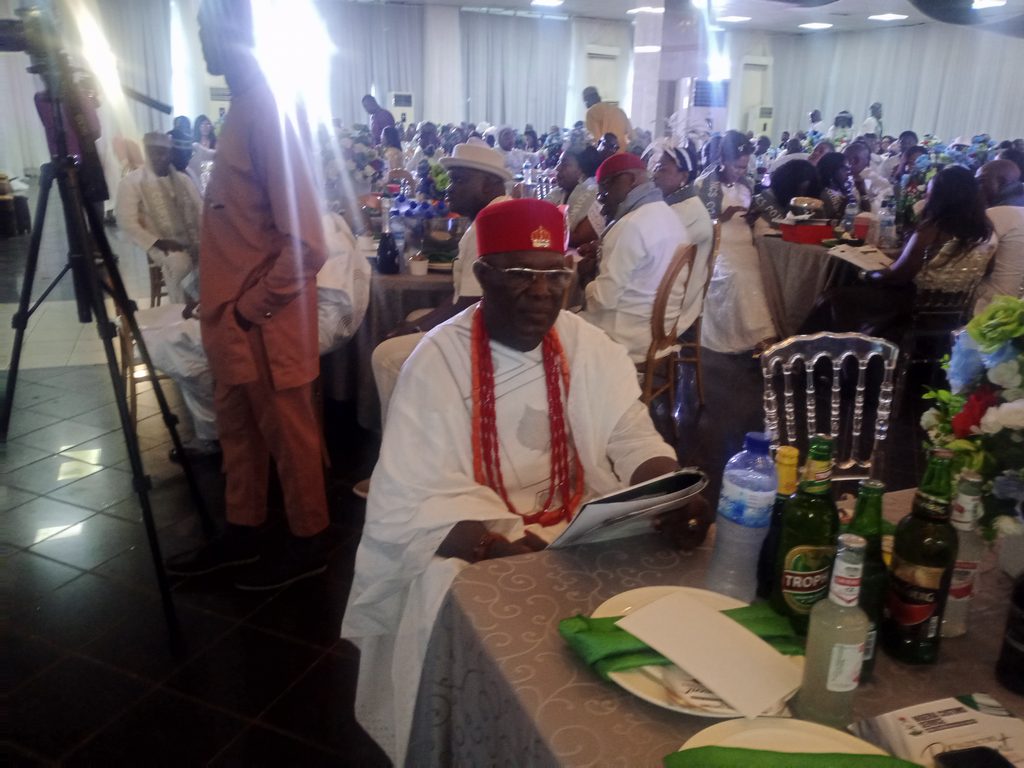
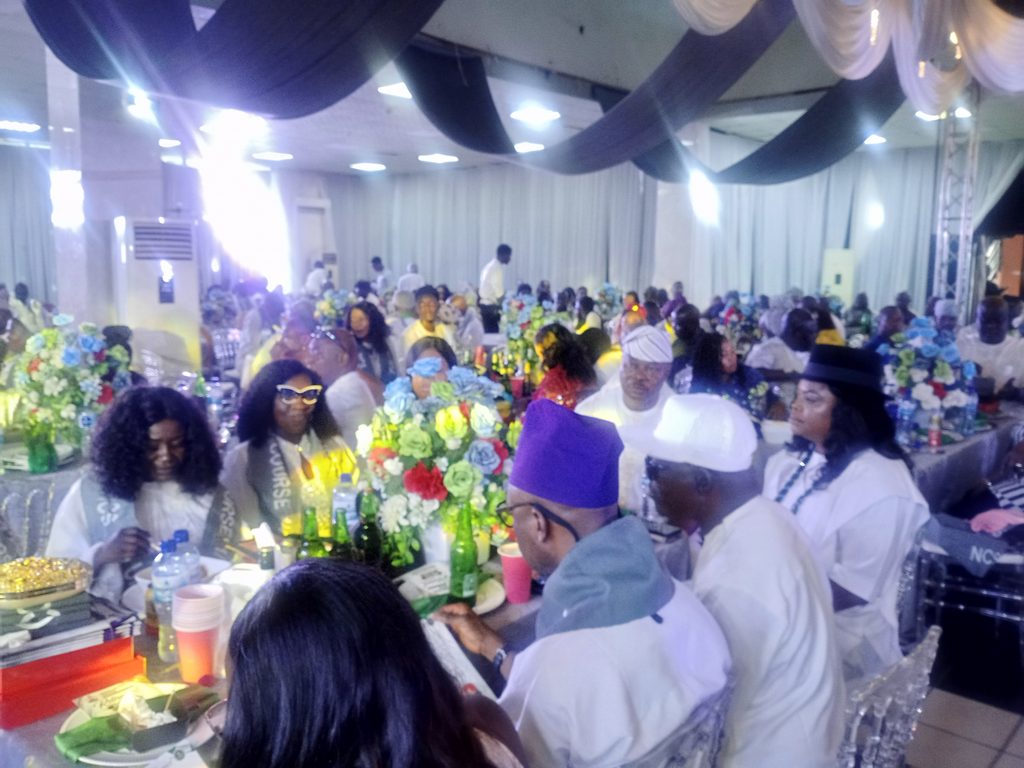
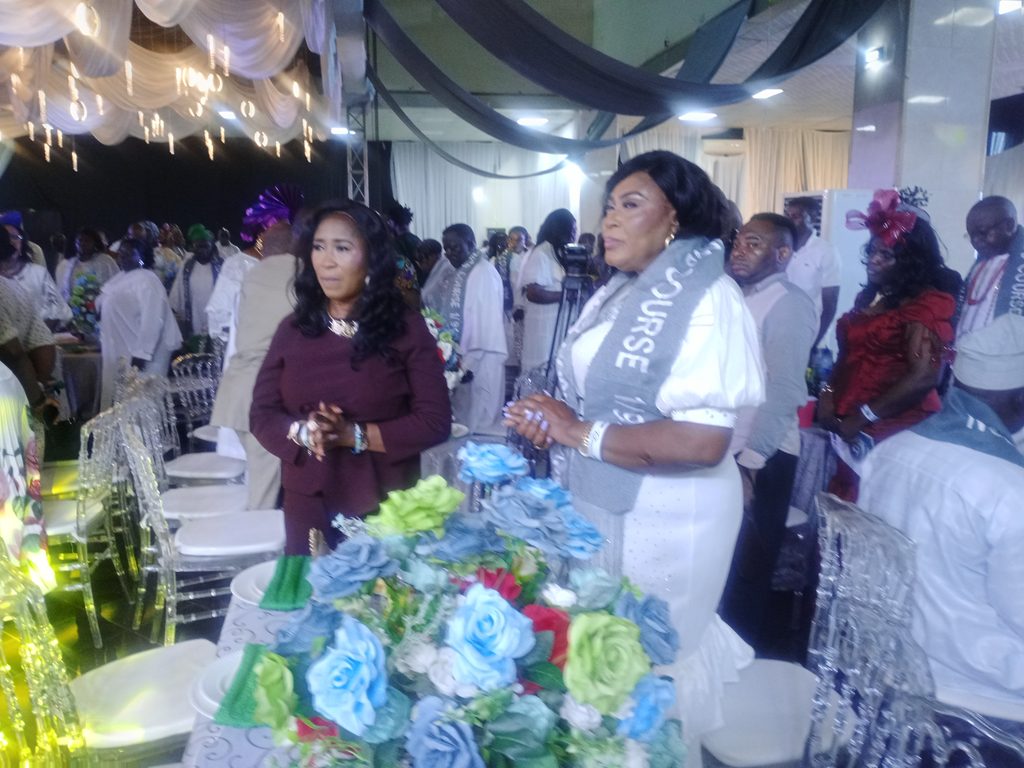
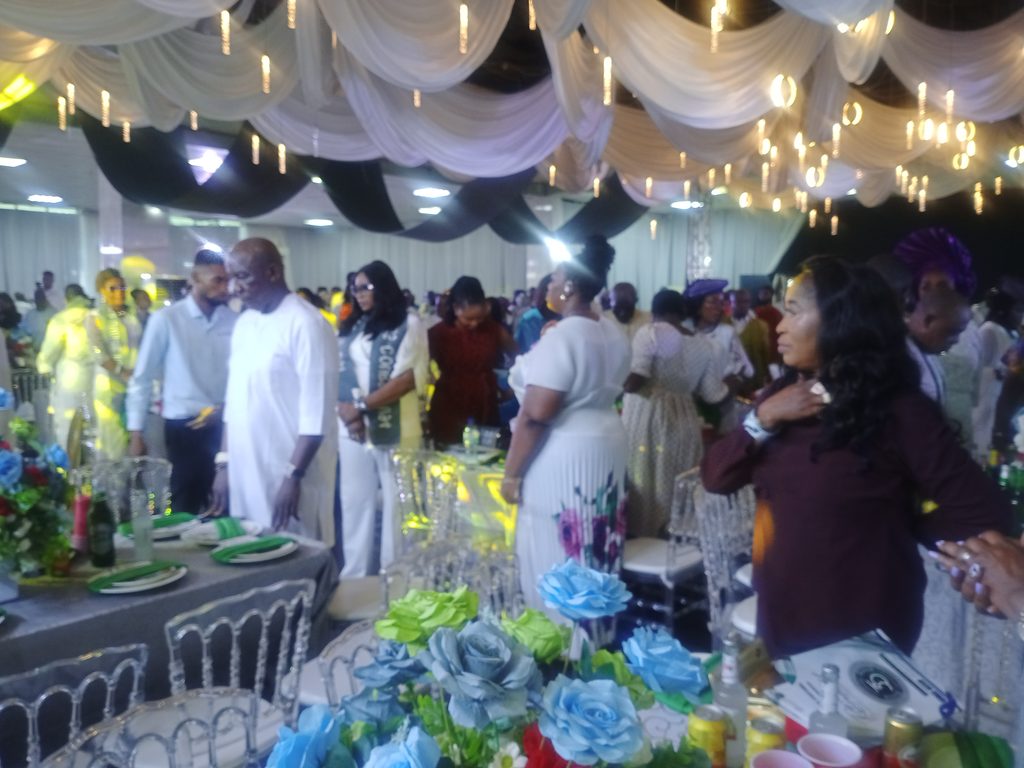
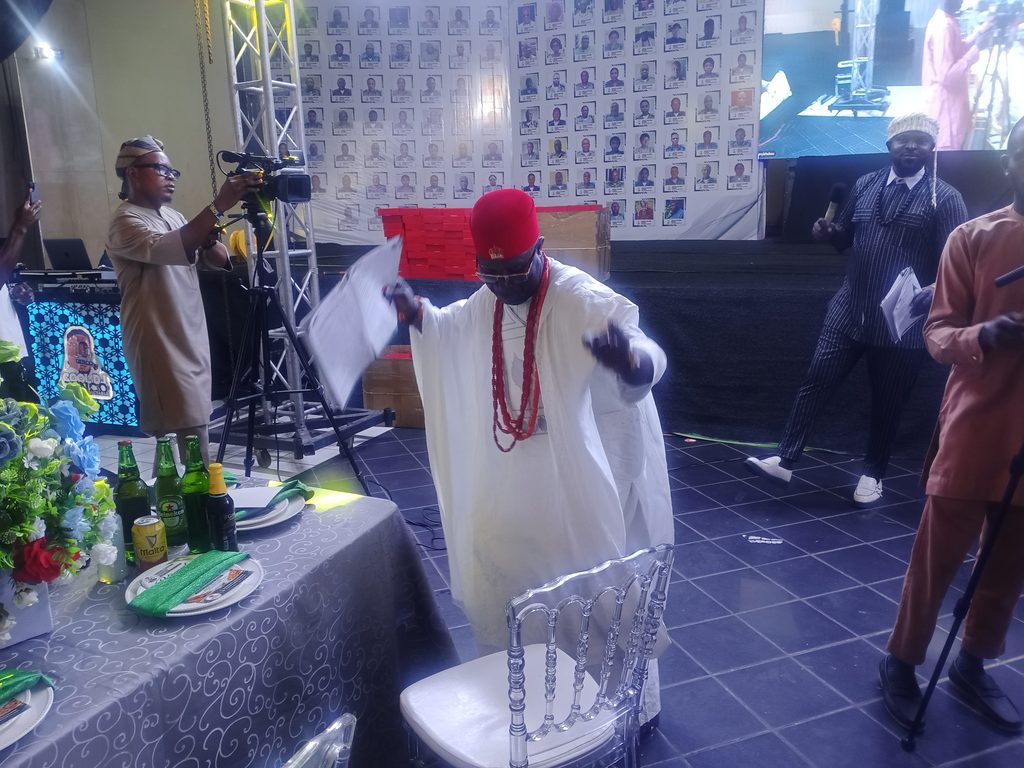
It was an emotional moment of honour, reflection and renewed hope on Saturday, November 7, 2026, as retired officers of the Nigeria Customs Service, members of Course 1/94 and the 1992 sets, gathered at the Funplex Event Center, CMD Road, Shangisha, Lagos, for their retirement ceremony.
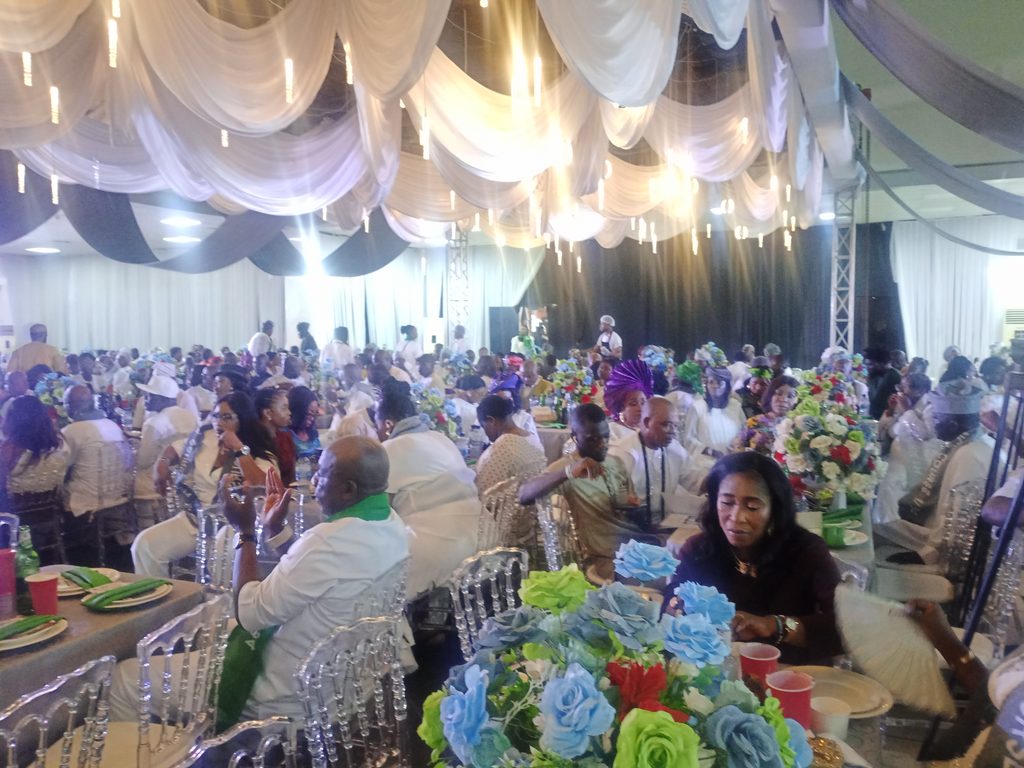
The ceremony, themed “From Khaki to Agbada: Navigating Life After Retirement from Paramilitary Service to Fulfilling Civilian Life as a Senior Citizen,” was more than a farewell parade. It was a masterclass on life after service, delivered by the Chairman of the Retirement Ceremony Planning Committee, Chief Superintendent of Customs, Chukwuemeka Agu (Rtd).
In a stirring address that drew applause and sober reflection from the audience, Agu described retirement as the “Final Dismounting Parade” — a transition he warned is more dangerous than the day the officers first mounted the horse of service over 35 years ago.
“You Served With Khaki, You Will Reign With Agbada”
“You wore Nigeria on your chest. You protected borders when others slept,” Agu said. “Nigeria may not have given you enough, but Nigeria thanks you today through your children and wives here.”
He urged the retirees to embrace a new identity beyond the uniform, stressing that while the khaki gave them authority, the agbada must now give them dignity, peace and influence.
The Five Shocks Of Retirement
Agu identified five major shocks that confront every retired paramilitary officer — identity, financial, health, family and social shocks — and warned that without preparation, retirement could become a period of regret rather than reward.

Citing sobering statistics, he said 40 percent of paramilitary retirees suffer depression within 18 months of retirement, 60 percent lose their gratuity within 24 months, while 30 percent face serious marital crisis.
On Identity Shock, he noted that many officers struggle when they can no longer introduce themselves by rank, when nobody salutes them again, and when the office, driver and orderly disappear. He advised them to accept that the rank has ended but the respect earned through character remains.
On Financial Shock, Agu was blunt: while in service, salary came on the 25th of every month, with allowances and bonuses. In retirement, pension may take three to six months to start, gratuity may delay, while children still need school fees and house rent in Lagos must be paid.

To manage this, he prescribed the 40-30-20-10 Rule for Gratuity: 40 percent for income-generating ventures that must bring monthly money, 30 percent safe and locked in Treasury Bills, Fixed Deposit or PFA, 20 percent for family and obligations, and 10 percent to enjoy oneself.
His golden rule: “No major investment in the first 12 months. Use the first 12 months to observe, learn and rest.”
On Health Shock, Agu warned that the body remembers years of late eating at checkpoints, drinking to relieve stress, standing eight hours at Tin Can Port under the sun, and avoiding medical checks out of fear. He listed hypertension, diabetes, arthritis, prostate enlargement and glaucoma as common ailments among retired paramilitary officers in Nigeria.
He prescribed a full medical check within 30 days of retirement, daily 30-minute walks, reduced salt, palm oil and meat, increased water and vegetables, and seven hours of sleep.
On Family Shock, he spoke with humour and honesty: “Many Customs marriages survived because husband was not at home. You were at border three weeks, home one week. Now you are home seven days, 24 hours. Madam will complain: ‘You are watching me in kitchen. You are controlling TV remote.’ Children will say: ‘Daddy is now too strict. He wants to be Comptroller-General of house.’”
His solution: hold a family meeting, create personal space, help the wife, and never bring Customs discipline home. “House is not barracks,” he said.
On Social Shock, he warned that loneliness kills more retirees than disease. “First three months, many people will call you. After six months, phone stops ringing. No more junior officers bringing file to sign.”
Seven Pillars For A Fulfilling Civilian Life
Agu went on to outline seven pillars for successful civilian life: Spiritual Anchor, Legal Preparedness, Productive Business, Mentorship, Community Service, Documenting Legacy, and a practical daily routine.
He urged retirees to deepen their faith, write their wills immediately, gather and secure vital documents, and update their next-of-kin with their PFAs.
For business, he advised small is beautiful — Customs consultancy, mini-importation training, poultry of 200 to 500 birds, rental property and schools — and warned against trailer logistics, big supermarkets, forex trading and handing money to children to start business.
He also charged them to volunteer to mentor junior officers, serve their communities as CDA chairmen, Baales or security advisers, and write their memoirs, titled in his suggestion, _“My 35 Years in Customs — From Recruit to Retiree.”_
Accept, Adapt, Achieve
In his closing charge, Agu left the retirees with three words: *Accept, Adapt, Achieve.*
“Accept that service is over. Adapt to civilian life quickly. Achieve new success as a senior citizen,” he said.
He urged Course 1/94 to remain united and not scatter after the ceremony, but to sustain their bond through a WhatsApp forum, quarterly meetings, a cooperative society and a welfare scheme where members contribute to support one another in sickness and bereavement.
“In the next 10 years, I want to hear: ‘That Customs retirees group built estate, they built school, they are all alive and healthy,’” he declared.
“You will not die early. You will not be sick. You will not beg. You served with Khaki. You will reign with Agbada.”
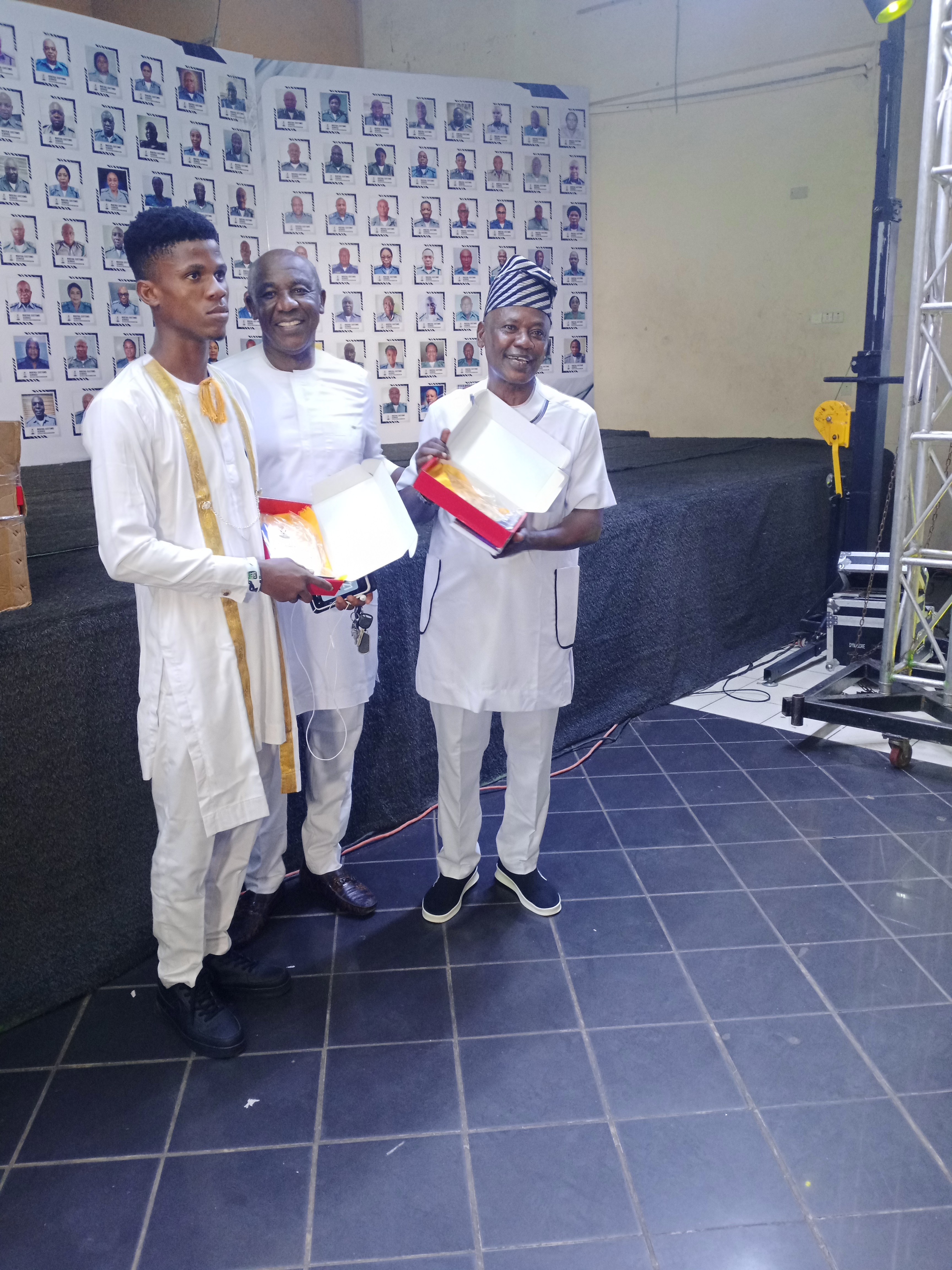
Highlights of the occasion included Keynote Address by Deputy Comptroller Dera Nnadi, rtd, Chairman of the Occasion; Cutting of Retirement Cake, Award Presentation to all the retirees and Cultural dance performances by music troupes from the various ethnic groups in Nigeria.

The ceremony ended with prayers for Course 1/94, the 1992 sets, the Nigeria Customs Service, retired officers and the Federal Republic of Nigeria.